High Water Bill and No Visible Leak: How to Track It Down
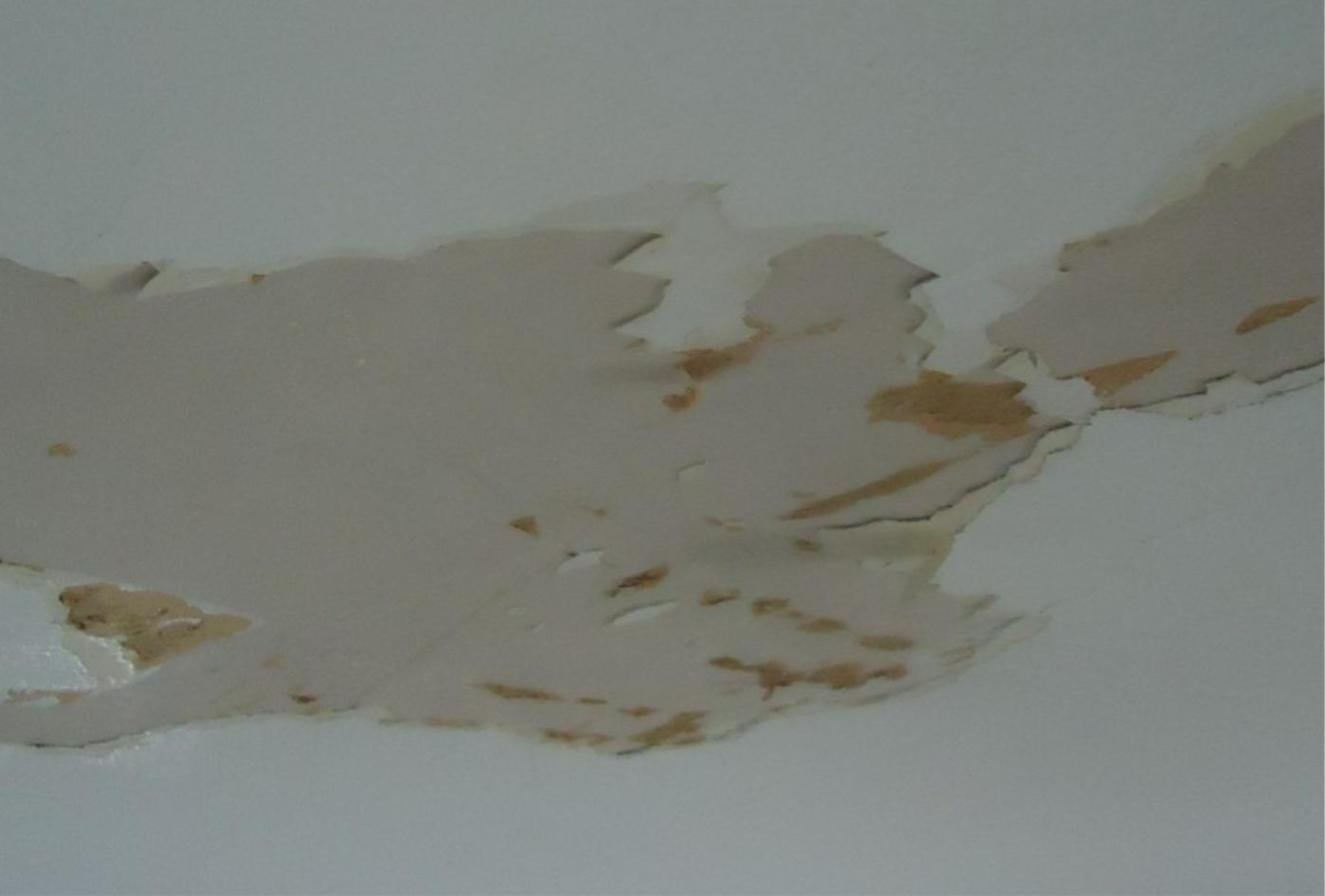
A high water bill with no visible leak usually means water is running straight down a drain or leaking somewhere you cannot see. The most common causes are a toilet that runs between flushes, a water softener stuck in its rinse cycle, an outdoor tap or sprinkler line, and less often a pipe leaking inside a wall, crawlspace or under the basement floor. Your water meter can confirm a leak in 15 minutes and help you narrow it down.
First, rule out the bill itself
Before hunting for a leak, read the bill closely. Check whether the reading was actual or estimated. An estimate that ran low for a few periods is followed by a catch-up bill that looks like a spike. Compare the usage figure, in cubic metres, with the same season last year instead of last month. Then think about what changed: guests, a new baby, a filled pool or hot tub, new sod, a pressure washer weekend. If none of that explains it, move to the meter.
How to test for a leak with your water meter
In most London area homes the meter sits in the basement where the water line comes through the foundation wall or floor, just after the main shutoff valve.
- Turn off everything that uses water: taps, dishwasher, washing machine, ice maker, humidifier, sprinklers. Make sure nobody flushes.
- Find the meter and look for a small triangle, star or dial on the face that turns with very low flow. On a digital meter, look for a flow indicator or watch the last digits.
- Watch for two minutes. If the low-flow indicator moves at all, water is passing through.
- If nothing moves, write down the full reading, leave all water off for an hour or two, and read it again. Any change means a slow or intermittent leak.
- If the reading holds steady, you likely do not have a leak. The extra usage is coming from how water is being used.
High water bill with no visible leak: the usual suspects
Most leaks that raise a bill do no damage at all, because the water goes down a drain. That is why nothing looks wet. Check these in order.
- Toilets. A worn flapper or a fill valve set too high lets water run into the bowl around the clock. Put a few drops of food colouring in the tank, wait 20 minutes without flushing, and look in the bowl. Colour in the bowl means the tank is leaking. Also lift the lid and check that water is not spilling into the overflow tube.
- Water softener. A softener stuck in regeneration sends water to the drain continuously. Listen for running water at the unit when it should be idle and look at the drain hose.
- Furnace humidifier. A flow-through humidifier with a stuck valve runs a steady trickle to the drain all winter.
- Water heater relief valve. A weeping valve drips through its discharge pipe to the floor drain where nobody notices.
- Outdoor taps and irrigation. A hose left on at a leaky nozzle, a dripping tap, or a cracked sprinkler line underground soaks into the lawn without a puddle.
Narrowing it down with shutoff valves
If the meter still moves and the list above came up clean, isolate parts of the system one at a time. Close the shutoff under each toilet and recheck the meter. Put the softener on bypass. Close the valve on the cold inlet to the water heater, which takes the entire hot side out of the picture. Close the indoor shutoffs for outdoor taps. When the meter stops, you have found the branch with the problem.
If the meter keeps moving with every fixture isolated, the leak is in the piping itself. Walk the house and listen at walls with plumbing in them. Check the basement ceiling under bathrooms and the kitchen, the crawlspace if you have one, and the floor around the meter and water heater. A warm patch on a basement floor or the sound of water with everything off both point to a line in or under the slab.
When the leak is inside the house structure
A supply line leaking in a wall or ceiling is the one case on this list that damages the house while it raises the bill. It can run a long time before a stain appears, because the water soaks into insulation and framing first. If your isolation test points at a branch that runs through finished walls, a thermal camera and moisture meter can usually find the wet area from the room side so the plumber opens one spot instead of several.
Once the leak is fixed, ask your water utility whether it offers a bill adjustment for repaired leaks. Policies differ, and most want proof of the repair, so keep the plumber's invoice.
What to do today
Run the 15-minute meter test tonight after everyone is done with the water. Do the dye test on every toilet while you wait. Those two checks find the cause in most houses. If the meter still turns with everything shut off and you cannot find where, close the main valve when the house is empty or overnight to limit the loss until a plumber can trace the line.
Common questions
How much water does a running toilet waste?
A toilet that runs constantly can waste hundreds of litres a day, which is enough to show clearly on a bill. A silent flapper leak wastes less but runs every hour of every day.
Can a leak before the water meter raise my bill?
No. Water that leaks before it passes through the meter is not measured. It can still cause wet soil or a damp foundation wall where the line enters, so report it to the utility.
Could the water meter itself be wrong?
It is uncommon. Meters tend to under-read as they wear, not over-read. If every leak test passes and usage still looks wrong, ask the utility about having the meter checked.
Send photos, get a firm quote in 2 hours
Three photos from your phone is enough for most jobs. No obligation.