Air Conditioner and Furnace Condensate Leaks
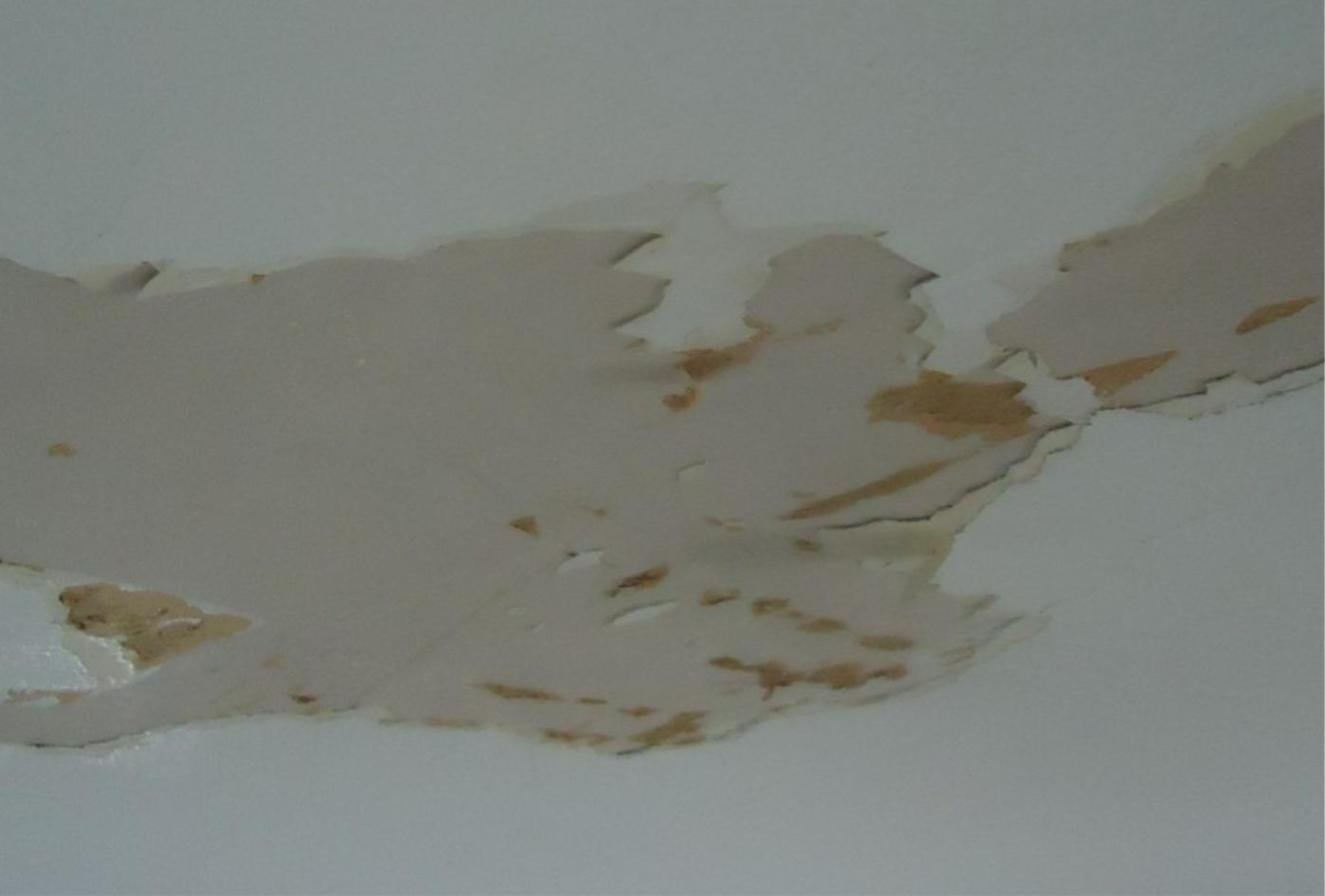
An AC condensate leak causes water damage when the water your air conditioner pulls out of the air cannot drain away and spills at the furnace instead. The usual reasons are a clogged drain line, a failed condensate pump or a cracked drain pan. It is a slow leak that can run all summer, wetting the floor, the bottom of nearby walls and sometimes the inside of the furnace itself.
Where the water comes from
Central air conditioning cools the house with a cold coil that sits in the ductwork directly above or beside the furnace. As warm, humid air passes over the coil, moisture condenses on it the same way it does on a cold glass. On a muggy July day in southwestern Ontario that adds up to many litres. The water drips into a pan under the coil and leaves through a small plastic pipe that runs to a floor drain, or to a small pump that pushes it to a drain or laundry tub.
A high-efficiency furnace makes condensate too, in winter. It pulls so much heat out of the exhaust that water vapour in it condenses inside the furnace and drains through its own trap and tubing. So water at the base of the furnace can appear in any season, not only summer.
Common causes of an AC condensate leak
- Clogged drain line or trap. Dust from the coil mixes with the water and grows a slime that plugs the pipe. The pan fills and overflows into the furnace cabinet or down the outside of it.
- Failed condensate pump. The float sticks, the motor dies, or the small discharge tube kinks or pops off. The reservoir overflows onto the floor.
- Cracked or rusted drain pan. Older metal pans rust through and plastic pans crack with age.
- Disconnected or badly sloped tubing. A drain line that was bumped, or that runs uphill at some point, backs up.
- Frozen coil. A dirty filter, blocked vents or low refrigerant lets the coil ice over. When it thaws, the water comes all at once and overwhelms the pan.
- Blocked floor drain. The line is working but the drain it empties into is not.
Signs of an AC condensate leak and water damage
The furnace usually sits in a corner of the basement where nobody looks closely, so these leaks run a long time. Watch for a puddle or a damp ring on the concrete around the furnace, rust streaks down the furnace cabinet or on the floor beneath it. In a finished basement, look for damp carpet near the furnace room door, laminate lifting along that wall, swollen baseboard, and staining at the bottom of the drywall around the furnace enclosure. A musty smell that shows up when the air conditioning starts running is another clue.
What to do when you find water at the furnace
- Turn the air conditioning off at the thermostat so no more water is made. If water is inside the furnace cabinet, switch the furnace power off as well.
- Check the filter. If it is clogged, replace it. If the coil or the copper lines are covered in ice, leave the system off and run only the fan for a few hours to thaw it.
- Follow the drain line from the coil to its end. Look for a disconnected joint, a kink, or a pipe sitting in a blocked drain.
- If you have a condensate pump, pour a cup of water into its reservoir. It should switch on and empty within seconds. If it hums without pumping or does nothing, it needs replacing.
- If the line is plugged, a wet and dry shop vacuum held tightly over the outlet end for a minute often pulls the clog out.
- If the cause is not obvious or the coil froze, call an HVAC technician. Refrigerant and internal furnace parts are not homeowner repairs.
The damage a slow condensate leak does
Bare concrete tolerates this well. The trouble is what sits on or beside the concrete. The bottom plate of a framed wall wicks water up into the studs and drywall. Carpet and underpad hold it. Laminate and vinyl plank trap it underneath. Because the leak repeats every day the air conditioner runs, these materials never get a chance to dry, and that steady dampness is what lets mold grow on them.
Drying means pulling back wet carpet and discarding the underpad, removing baseboard, cutting out drywall that is soft or moldy, and running air movers and a dehumidifier until the wall framing reads under 16% moisture content. New drywall and flooring afterward are a contractor's work.
Preventing the next leak
Change the furnace filter on schedule through the cooling season. Have the drain line and trap flushed during the yearly service, and ask the technician to check the pan. A float switch that shuts the air conditioner off when the pan or pump backs up is an inexpensive add-on. So is a battery leak alarm on the floor beside the furnace.
Next time you are in the basement with the air conditioning running, look at the end of the drain line. A steady drip there on a humid day means the system is draining as it should.
Common questions
Is it normal for an air conditioner to drip water?
Yes, at the end of the drain line. Water dripping into a floor drain or pump on a humid day is normal. Water on the floor around the furnace is not.
Is furnace condensate harmful?
Condensate from a high-efficiency furnace is mildly acidic and can etch concrete and corrode metal over time. It is not dangerous to mop up, but it should be drained properly.
Why is there water at my furnace in winter?
A high-efficiency furnace produces condensate whenever it heats, and a humidifier adds its own drain water. A plugged trap, split hose or stuck humidifier valve are the usual winter causes.
Send photos, get a firm quote in 2 hours
Three photos from your phone is enough for most jobs. No obligation.