Foundation Crack Leaks vs Plumbing Leaks: Telling Them Apart
The quickest way to sort a foundation leak vs plumbing leak is timing. Water that shows up during or after rain and snowmelt and then fades is coming through the foundation. Water that appears regardless of weather, or every time a certain fixture is used, is plumbing. Location, the look of the water and a water meter test back that up, and getting it right matters because the two problems are fixed by completely different trades.
Foundation leak vs plumbing leak: the main differences
- Timing. Foundation leaks follow the weather, often with a delay of hours or a day as the soil saturates. Plumbing leaks follow water use or never stop.
- Location. Foundation water enters at cracks, at the joint where the wall meets the floor, at form tie holes and around pipes that pass through the wall. Plumbing leaks sit under or beside pipes, fixtures and appliances.
- Height. Foundation water usually starts low on the wall or at a crack and runs down. A wet patch that starts high on a finished wall, under a bathroom or kitchen, is more often plumbing from above.
- Appearance. Groundwater often carries fine silt and leaves white, powdery mineral deposits on concrete as it dries. Supply water is clear and leaves little behind. Drain water may be grey, soapy or smelly.
Signs the water is coming through the foundation
Look at bare concrete if you can. A crack with a dark, damp line along it, a rust-coloured or white trail running down from it, or staining that fans out below a form tie are all classic. So is dampness along the base of the wall where it meets the floor slab, especially at the corners of the house and below downspouts.
Then go outside and stand above the wet area. Ground that slopes toward the house, a downspout that empties at the wall, a flower bed built up against the siding or a low spot that ponds all load water against the foundation. Much of the London area sits on clay-heavy soil that drains slowly and holds water against basement walls long after the rain stops, which is why some leaks show a day late.
Signs the water is coming from plumbing
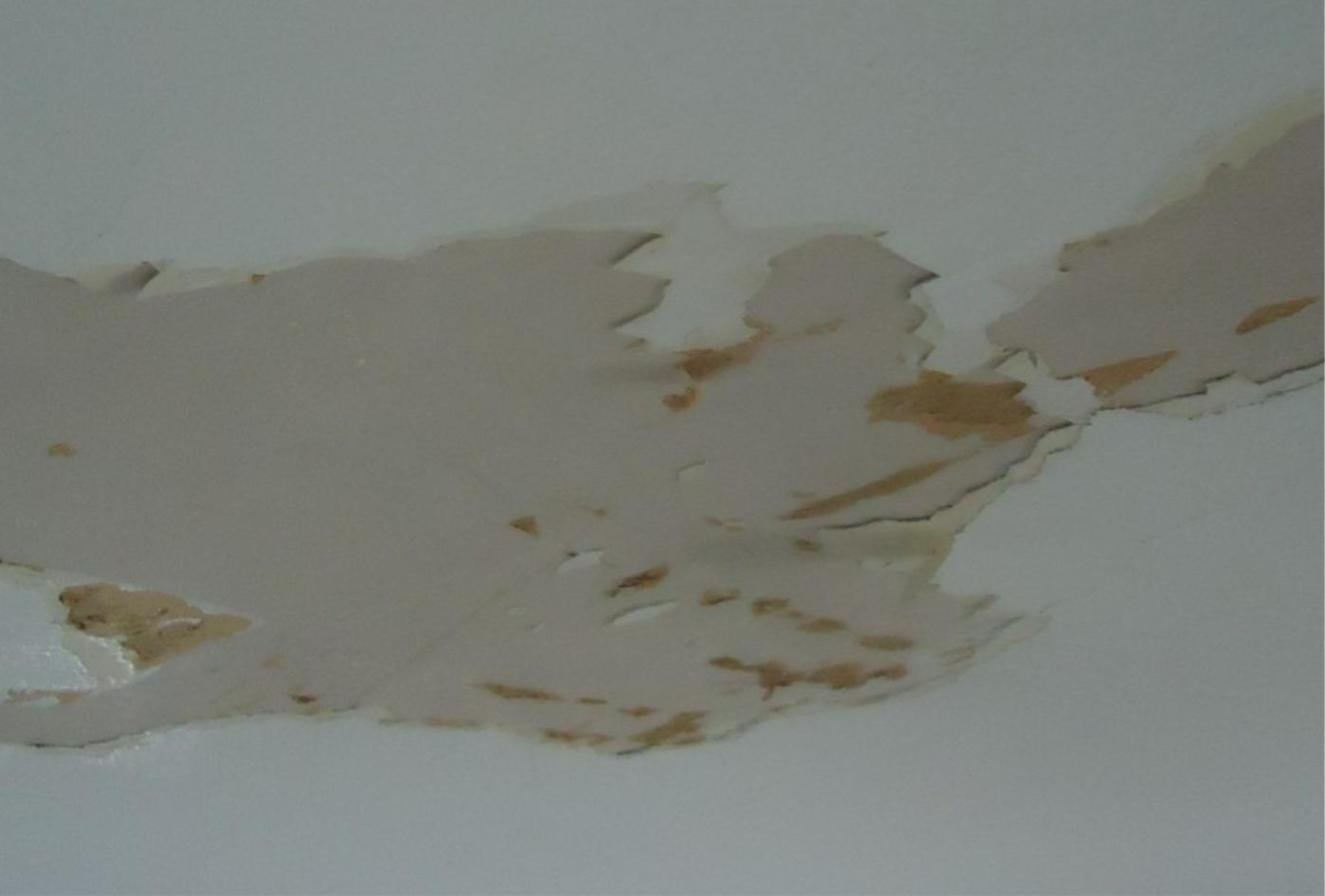
Follow the pipes. In most basements the supply lines and drains run along the ceiling and down the walls to the laundry, the water heater and any basement bathroom. A wet spot under a run of pipe, under an upstairs bathroom or beside an appliance is suspect. Check the ceiling and the top of the wall above the wet area. Water staining that starts above the foundation wall cannot be groundwater.
Drain leaks only show when the drain is in use. Have someone run the washing machine, drain a tub or flush each toilet while you watch the spot. Supply leaks do not need anyone to use anything, and they tend to make a steady damp area that slowly grows.
Tests that settle it
- Water meter test. Turn off every fixture and appliance and watch the low-flow indicator on the meter for 15 minutes. Movement means a supply leak somewhere. No movement rules out the pressurized pipes but not the drains.
- Dry weather watch. Mark the edge of the wet area and check it daily through a dry week. If it keeps growing with no rain, think plumbing.
- Fixture test. In dry weather, run each fixture above the area one at a time and check after each.
- Hose test. In dry weather, with a helper inside, run a garden hose on the ground against the outside of the wall for 20 to 30 minutes, starting at ground level. If the leak appears, it is the foundation or the grading. Do not do this if the basement is finished and already wet.
- Moisture mapping. A moisture meter and thermal camera show the shape of the wet area behind finished walls. A pattern rising from the floor points one way, and a pattern dropping from the ceiling points the other.
When it is neither one
Condensation gets mistaken for both. In humid summer weather, warm air hits cool basement walls and cold water pipes and condenses, leaving damp patches and drips that have nothing to do with a leak. Tape a square of plastic sheet tightly to the bare wall for a day or two. Moisture on the room side of the plastic is condensation. Moisture behind it is coming through the concrete.
Who fixes which
A plumbing leak goes to a licensed plumber. A foundation leak goes to a waterproofing or foundation contractor, and many are helped a great deal by cheap outside fixes first: extending downspouts well away from the house, correcting the slope of the soil, and keeping eavestroughs clear.
Whichever it is, the wet materials inside still need attention. Insulation, drywall and wood framing against a damp foundation wall stay wet a long time and grow mold. We find and map the moisture, dry the structure and remove mold. The pipe repair or the foundation repair is done by the right trade, and we can tell them exactly where to look.
Start with the meter test and a week of dated notes on weather and water use. Those two things answer the question in most basements without spending anything.
Common questions
Can a foundation crack leak only some of the time?
Yes. Many cracks stay dry until the soil outside is saturated, so they leak only in heavy rain or the spring thaw and can go months without showing.
Does home insurance cover foundation leaks?
Groundwater seeping through a foundation is commonly excluded from standard policies, while sudden pipe failures are more often covered. Wording differs between insurers, so ask your broker.
Is white powder on the basement wall mold?
Usually it is efflorescence, a mineral deposit. It is dry and crumbly and it dissolves in water, while mold does not dissolve and tends to be fuzzy or slimy.
Send photos, get a firm quote in 2 hours
Three photos from your phone is enough for most jobs. No obligation.