How Fast Does Mold Grow After Water Damage?
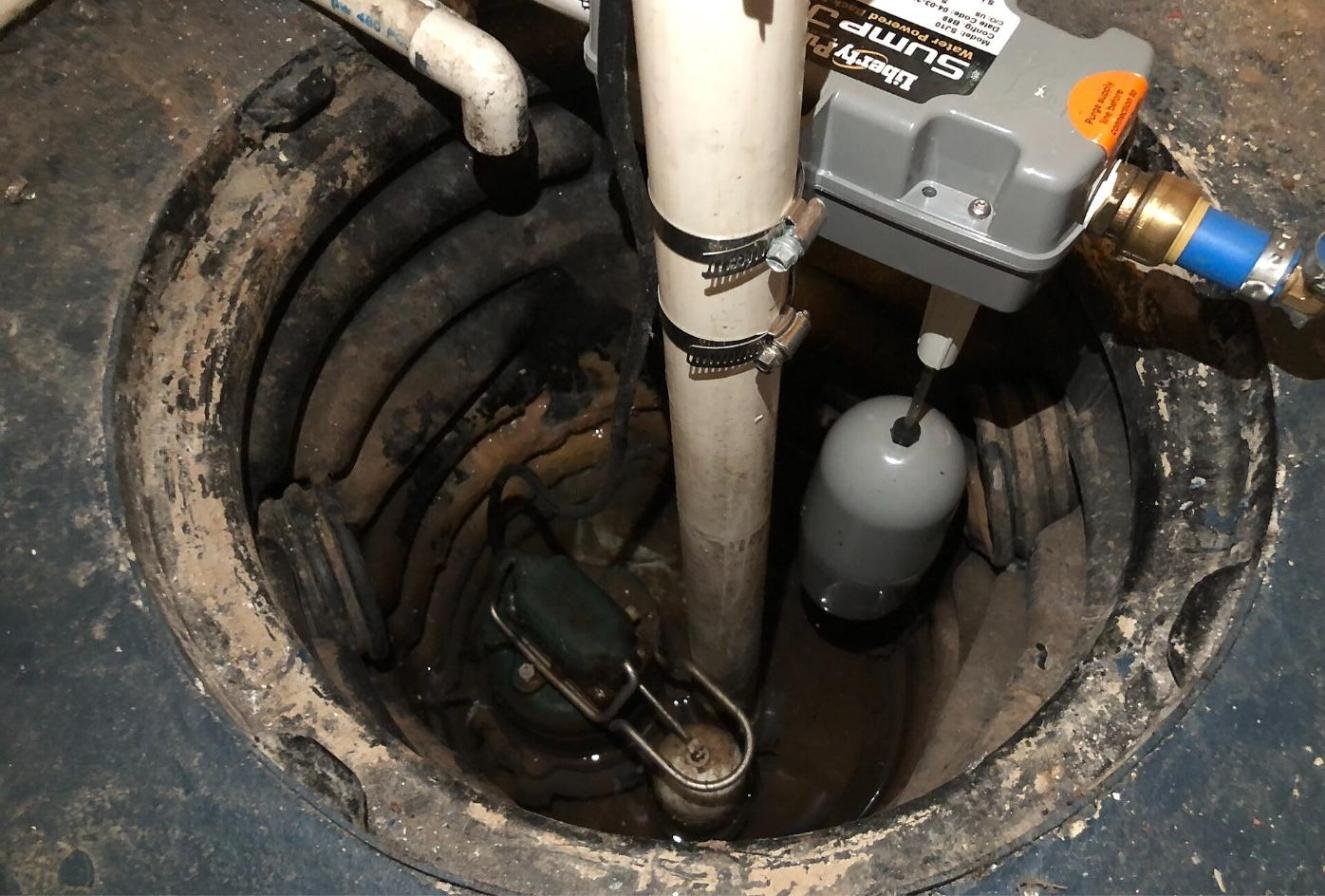
How fast does mold grow after water damage? Under the right conditions it can begin within 24 to 48 hours, and visible growth often follows within several days to a couple of weeks. The exact timing depends on temperature, the material that got wet and how long it stays wet. The practical rule is simple: materials that are dry within about two days rarely grow mold, and materials left wet longer often do.
A realistic mold timeline
- First 24 hours: materials absorb water. Drywall, carpet pad, insulation and wood soak it up. Mold spores are already present in ordinary house dust and now have the moisture they were missing.
- 24 to 48 hours: spores on wet surfaces can begin to germinate. Nothing is visible yet. A damp, earthy smell may start.
- 3 to 7 days: growth becomes established on the most vulnerable materials. Small spots may appear on drywall paper, cardboard and the underside of carpet. The musty smell gets stronger.
- 1 to 3 weeks: colonies spread and become obvious as patches of black, green, grey or white. Growth moves into wood framing, subfloor and the contents of the room.
- Beyond that: materials stay wet, growth continues and wood can begin to decay.
These are typical ranges, not a stopwatch. A warm, closed-up room can run ahead of this schedule, and a cool, well-ventilated space can lag behind it.
What makes mold grow faster or slower
Mold needs three things: moisture, a food source and a workable temperature. Houses supply the last two all the time, which is why moisture is the one you control.
- Temperature. Normal room temperature suits mold well. In a London summer, a wet basement with the windows shut is close to ideal. Cold slows growth but a heated house in January is still warm enough.
- Material. Paper-faced drywall, cardboard, ceiling tile, carpet pad and dusty surfaces grow mold quickly. Solid wood is slower. Bare concrete, metal and glass do not feed mold, though the dust on them can.
- Humidity. Wet materials raise the humidity in the room, and high humidity keeps everything damp longer, including things the water never touched.
- Airflow. Closed cavities such as walls, the space under cabinets and the back of furniture pushed against a wall dry slowest.
- Water quality. Dirty water from drains or the ground carries more nutrients and organisms than clean supply water, and it gets things started sooner.
Where mold starts first after a leak
The first growth is almost never in the open. It starts on the back side of drywall facing into the wall cavity, behind baseboards, on the bottom plate of the wall, under carpet pad, on the underside of laminate underlay and inside closed cabinets. That is why a room can look and feel dry while a problem is building. Smell is often the first clue, followed by baseboards that swell or paint that blisters low on the wall.
How to beat the clock in the first 48 hours
- Stop the source and remove standing water as soon as it is safe to do so.
- Get wet contents out of the room: rugs, boxes, cushions, clothing. Cardboard goes first.
- Pull wet carpet back and remove soaked underpad if the water was clean. Pad dries poorly in place.
- Run a dehumidifier continuously with the windows closed. In summer, run the air conditioning as well.
- Move air across wet surfaces with fans, but only if there is no visible mold yet.
- Take baseboards off wet walls so the bottom edge of the drywall can breathe.
- Have the walls and floor checked with a moisture meter. Dry to the touch is not the same as dry.
Professional drying follows the same logic with more capacity. We extract water, set air movers and dehumidifiers sized for the space, and take logged readings every day until framing is under 16% wood moisture content. Most water damage jobs here run $1,950 to $11,000, with a firm written quote within 2 hours of you sending photos, between 7 am and 9 pm.
What if it has already been longer than two days?
Assume some growth is possible and change your approach. Do not aim fans at visible mold, because moving air spreads spores to clean areas. Do not paint over stains. Health Canada's guidance is that indoor mold should be removed whatever the species, and that a homeowner can clean a small patch, roughly under one square metre, while larger areas call for professional help. Mold can irritate the airways and worsen asthma and allergies, and infants, seniors and people with weakened immune systems are more susceptible. If anyone in the house has symptoms, they should see a doctor.
When walls or floors stayed wet for days, the useful next step is an inspection with a moisture meter and thermal camera to see what is still wet and whether mould has started inside the cavities. Ours runs $249 to $549. If the leak was recent, start the dehumidifier now and get the wet contents out of the room tonight.
Common questions
Does mold die when the area dries out?
No. It goes dormant and the spores and fragments stay on the material, ready to grow again if moisture returns. Dried-out mold should still be removed.
Can mold grow in winter in Ontario?
Yes. A heated house is warm enough year-round, and winter adds condensation on cold surfaces such as windows, exterior walls and attic sheathing.
Can I smell mold before I can see it?
Often, yes. A musty or earthy odour comes from growth in hidden spots such as wall cavities and under flooring, and it frequently shows up before any visible spotting.
Send photos, get a firm quote in 2 hours
Three photos from your phone is enough for most jobs. No obligation.