Sewer Backup Cleanup: Why You Shouldn't Do It Yourself
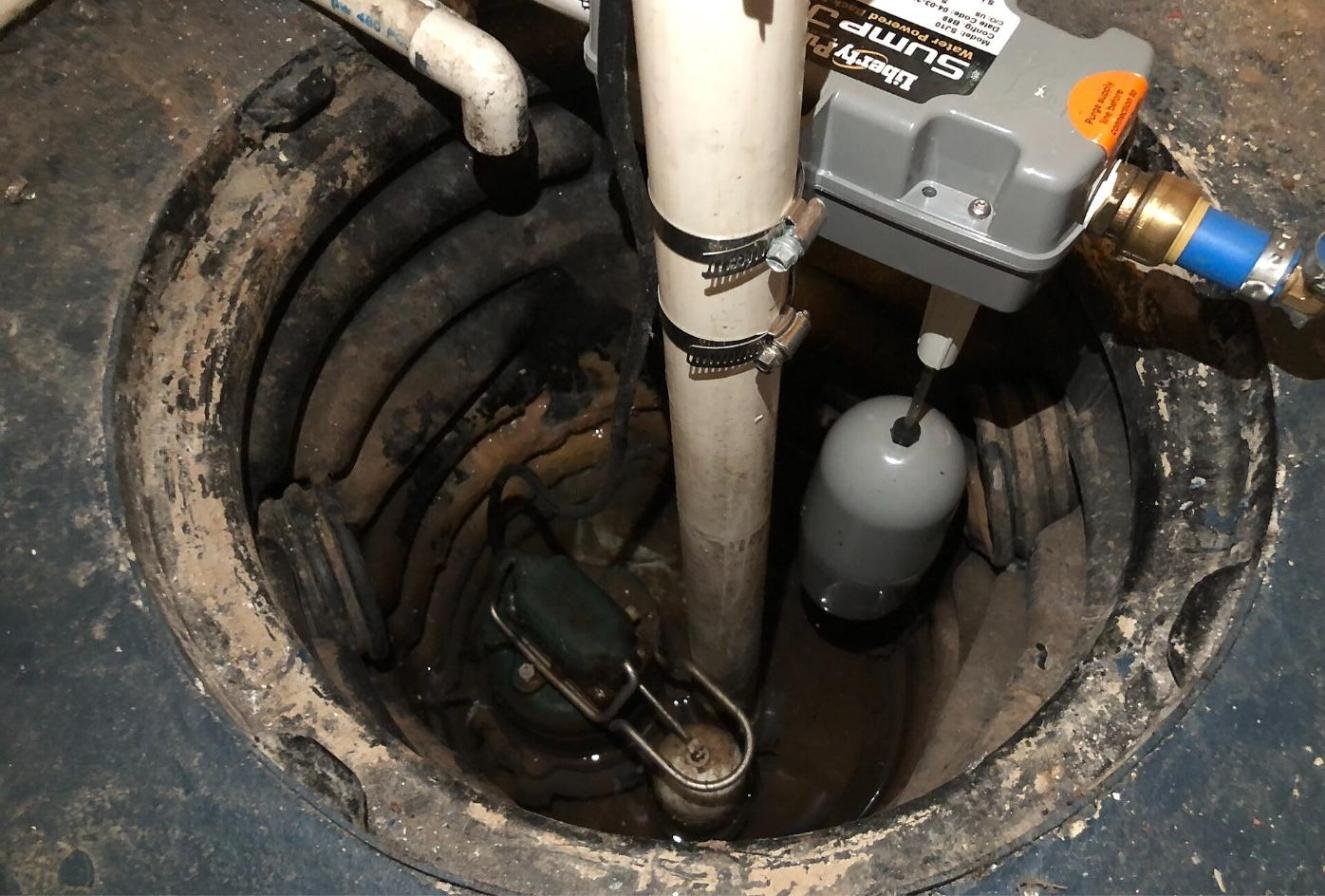
Sewer backup cleanup should be left to a trained crew because the water is sewage: it carries bacteria, viruses and parasites, and it soaks into drywall, carpet and wood where bleach and a mop cannot reach. Anything porous that it touched usually has to be removed, and the work needs protective gear and containment so the contamination does not spread upstairs. There are a few safe things you can do while you wait, and they are listed below.
What is actually in sewer backup water
Water that comes up through a floor drain, a basement toilet or a shower is the most contaminated kind of water damage. The restoration industry calls it black water. It contains human waste and whatever else was in the sewer. Exposure happens through skin contact, especially cuts, through touching your face with dirty hands, and through splashes and fine spray when the water is disturbed. Health Canada and public health units advise treating sewage as a health hazard. People with weakened immune systems, infants, seniors and anyone with asthma are more at risk. If you feel unwell after contact, see a doctor and mention the exposure.
Why sewer backup cleanup goes wrong as a DIY job
- Bleach on the surface does not clean what has soaked in. Drywall, carpet, underpad, insulation and particleboard absorb sewage and cannot be reliably disinfected.
- A household wet vac sprays fine droplets out its exhaust and becomes contaminated itself.
- Boots, gloves, mops and buckets carry sewage up the stairs and through the house.
- A furnace with returns in the basement can pull contaminated air and distribute it to every room.
- Fans set up to dry things before they are cleaned blow contamination around instead of removing it.
- Material that looks clean after wiping can still be wet and dirty inside, which leads to odour and mold later.
The most common mistake is saving the wrong things. A carpet that has been shampooed or a wall that has been wiped can look fine and still hold sewage residue in the pad or the wall cavity.
What a proper cleanup involves
IICRC S500 sets out how contaminated water losses should be handled. In plain terms, the job runs in this order.
- Workers wear protective gear: waterproof boots and gloves, coveralls, eye protection and respirators.
- The affected area is isolated from the rest of the house, with negative air through HEPA filtration so air flows into the work area and not out of it.
- Sewage and standing water are extracted and solids are removed.
- Porous materials that were contaminated come out: carpet and pad, drywall to above the water line, wet insulation, baseboards and swollen particleboard.
- What remains, mainly concrete and wood framing, is cleaned and then treated with a suitable disinfectant.
- Only after cleaning does drying start, with air movers and dehumidifiers, until framing reads under 16% wood moisture content.
- The work is documented with photos and readings in a clearance report.
We do this work as mitigation only. Once the basement is clean and dry, we refer the rebuild to local contractors. Jobs like this vary with how much is finished and how high the water got. Most water damage jobs here run $1,950 to $11,000, and a firm written quote goes out within 2 hours of you sending photos, between 7 am and 9 pm.
What you can safely do while you wait
- Stop using water in the house. If the blockage is in your own sewer line, every flush and every drained sink comes back up in the basement.
- Call the City or your municipality to check whether the main sewer is blocked, and call your insurer or broker.
- Keep children and pets out and keep the basement door shut.
- Turn off the furnace fan if the furnace or its return vents are in the affected area.
- Take photos from the stairs or the doorway for your claim.
- If you must go in, wear rubber boots, waterproof gloves and a mask, touch as little as possible, then wash thoroughly and leave the boots outside.
A fair exception: a small spill around a floor drain on bare concrete, with nothing porous wet, can be handled by a careful adult with gloves, boots, eye protection and a disinfectant used as the label directs. Once sewage has reached carpet, drywall or stored belongings, it is past that point.
Reducing the odds of another backup
A backwater valve on the main drain lets sewage flow out but closes if it tries to come back. It is the single most useful device against backups from the municipal side, and a licensed plumber installs it. Inside the house, keep wipes, grease and paper towel out of the drains. In older homes with mature trees, a camera inspection of the sewer line will show whether roots or a sagging pipe are setting you up for a repeat.
For now, stay out of the basement, stop running water and make the two calls: the City and your insurer.
Common questions
Is a sewer backup covered by home insurance in Ontario?
Usually only if you have a sewer backup endorsement, which is an optional add-on with most insurers. Check your policy or call your broker, since limits and deductibles differ.
Can carpet be saved after a sewer backup?
Carpet and underpad soaked with sewage are normally discarded under IICRC S500 practice. They cannot be reliably cleaned all the way through.
How long does the smell last after a sewer backup?
Odour should fade once contaminated materials are removed and the structure is cleaned and dried. A smell that lingers usually means something wet or contaminated was left behind.
Send photos, get a firm quote in 2 hours
Three photos from your phone is enough for most jobs. No obligation.