Musty Smell in the Basement: Where It Comes From
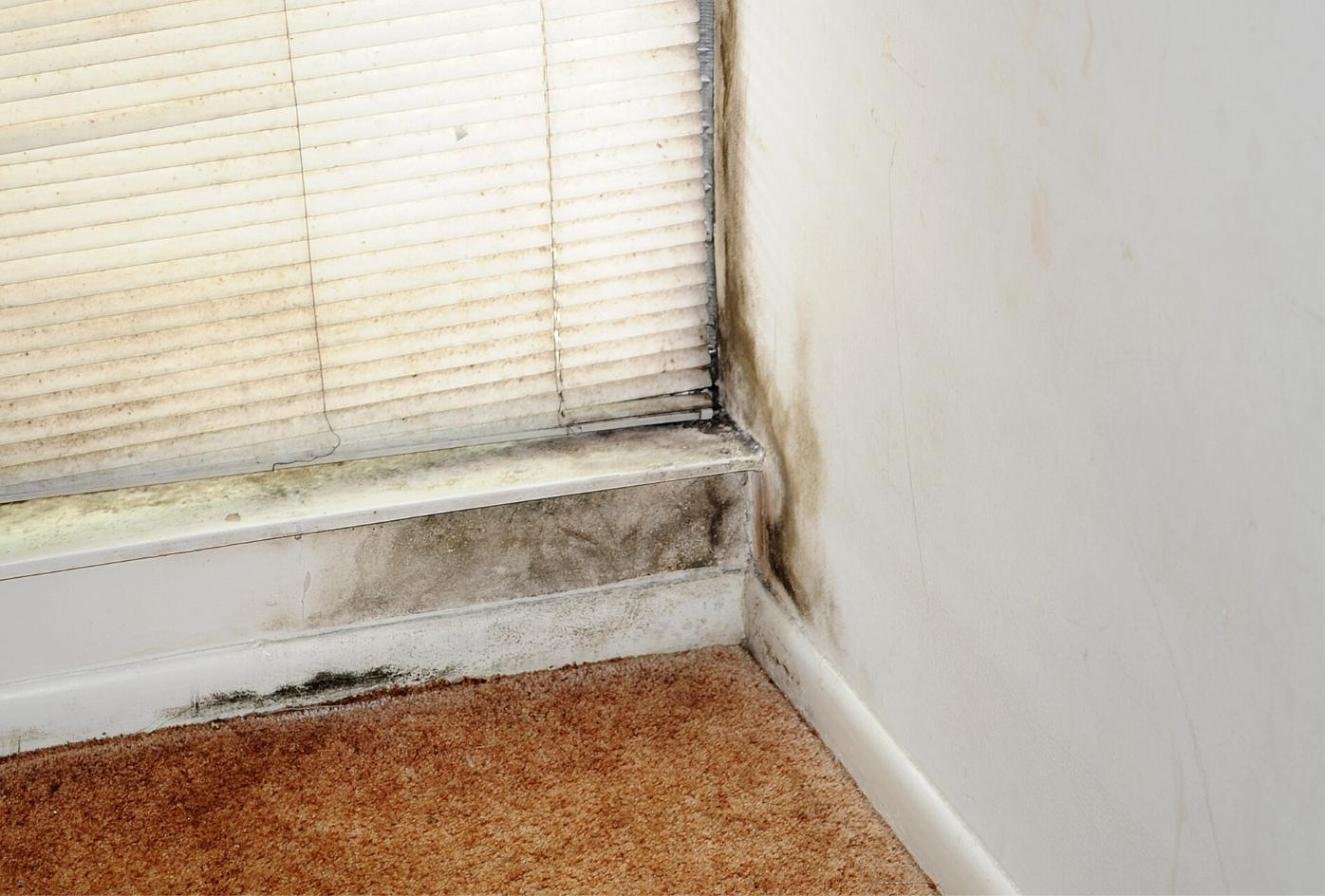
A musty smell in the basement comes from mold and bacteria that are actively growing on something damp. As they grow they give off gases, and those gases are the earthy, old-book odour you notice at the top of the stairs. The smell means there is moisture somewhere, even when you cannot see any mold.
What causes a musty smell in the basement
Mold needs three things: moisture, something to eat and time. Basements supply all three. The concrete is cool, so humid summer air condenses on it. The room is full of paper, wood, fabric and dust. And nobody looks behind the couch for months.
The smell is strongest when growth is active. That is why many London basements smell fine in January and musty in July. Our summers are humid, and that outside air ends up in the coolest part of the house.
The usual hiding spots
When the smell is there but nothing is visible, the source is almost always in one of these places.
- Carpet and underpad on the slab, especially along outside walls and in corners.
- The bottom foot of finished walls, where drywall and baseboard sit close to the floor.
- Behind insulation on the foundation walls.
- Cardboard boxes, old books, stored clothing and upholstered furniture.
- Under the stairs and inside closets on outside walls, where air does not move.
- The cold room under the front porch.
- The rim of the floor framing above the foundation, where pipes and vents pass outside.
- Around the laundry tub, washing machine and water heater.
- A crawlspace that opens into the basement.
- The sump pit, if it has no lid.
How to track the smell down
Work through it in order. Most people find the source in under an hour.
- Close the basement up for a day, then walk in and note where the smell is strongest. Your nose adapts in a few minutes, so step outside and come back if you lose it.
- Get low. Smell along the baseboards and at the carpet edge. Mold at floor level is hard to smell from standing height.
- Open every closet and cabinet. Pull furniture away from the walls and look at the back of it and the wall behind.
- Press on the bottom of the drywall and the baseboard. Soft, swollen or stained spots mean water has been there.
- Lift a corner of carpet in the worst-smelling spot and look at the underside and the tack strip.
- Check stored cardboard. Lift a box and look at the bottom.
- Put a humidity gauge in the room for a few days. A steady reading over 60% tells you the air alone is enough to feed growth.
If you get this far and still cannot find it, the source is likely inside a wall or under flooring. That is where a thermal camera and a moisture meter earn their keep. They show cool, damp areas behind finished surfaces without cutting anything open.
Smells that are not mold
A few other basement smells get mistaken for mustiness, and the fix is different for each.
- Sewer gas. A rotten-egg or sewage smell near a floor drain usually means the trap has dried out. Pour a litre of water down the drain and see if the smell goes.
- A dead mouse. A sharp, sweet, rotting smell that shows up suddenly and fades over a couple of weeks.
- Natural gas. If you smell the added rotten-egg odour near a gas appliance, leave the house and call your gas utility.
- Stale laundry. A front-load washer with a dirty door seal can make a whole room smell damp.
Is the smell a health concern?
The smell tells you mold is present, and Health Canada's position is that indoor mold should be removed whatever the type. Mold can irritate the eyes, nose and throat and can make asthma and allergies worse. People with asthma, allergies or weakened immune systems, along with infants and seniors, tend to be more sensitive. If someone in the house has symptoms that ease when they are away from home, mention it to a doctor.
What does not fix a musty basement
Air fresheners, scented candles and odour-absorbing gels cover the smell for a while and change nothing. The mold keeps growing. Ozone generators are sometimes sold for this, and Health Canada advises against using them in homes because ozone irritates the lungs.
A dehumidifier helps by slowing growth, and the smell often fades. It does not remove mold that is already there. If the smell returns every time the humidity climbs, something is still contaminated.
Painting over a stained wall or laying new flooring over old does the same thing as the air freshener. It hides the evidence and leaves the cause.
Find the damp material, remove or clean it, and deal with the water that fed it. If the source is a box of old magazines, that is a ten-minute job. If the smell is coming from inside a finished wall or under the floor, take photos of the area, note where the smell is strongest and what the humidity reads, and have it checked with a moisture meter before anything gets covered up.
Common questions
Why does my basement smell musty only after it rains?
Rain raises the moisture in the soil against the foundation and in the air. Damp materials get wetter, growth picks up and the smell gets stronger. It points to water coming through a wall, floor or window well.
Can a basement smell musty without any mold?
A damp basement can have an earthy smell from wet concrete and soil alone, but a true musty odour nearly always means something is growing. Treat it as a moisture problem either way.
Will the musty smell spread to the rest of the house?
Yes. Air moves upward through a house, and a forced-air furnace pulls basement air into the ducts. That is why the smell often shows up at the top of the stairs or when the furnace fan starts.
Send photos, get a firm quote in 2 hours
Three photos from your phone is enough for most jobs. No obligation.