Water Heater Leak: Damage Control Before the Plumber Arrives
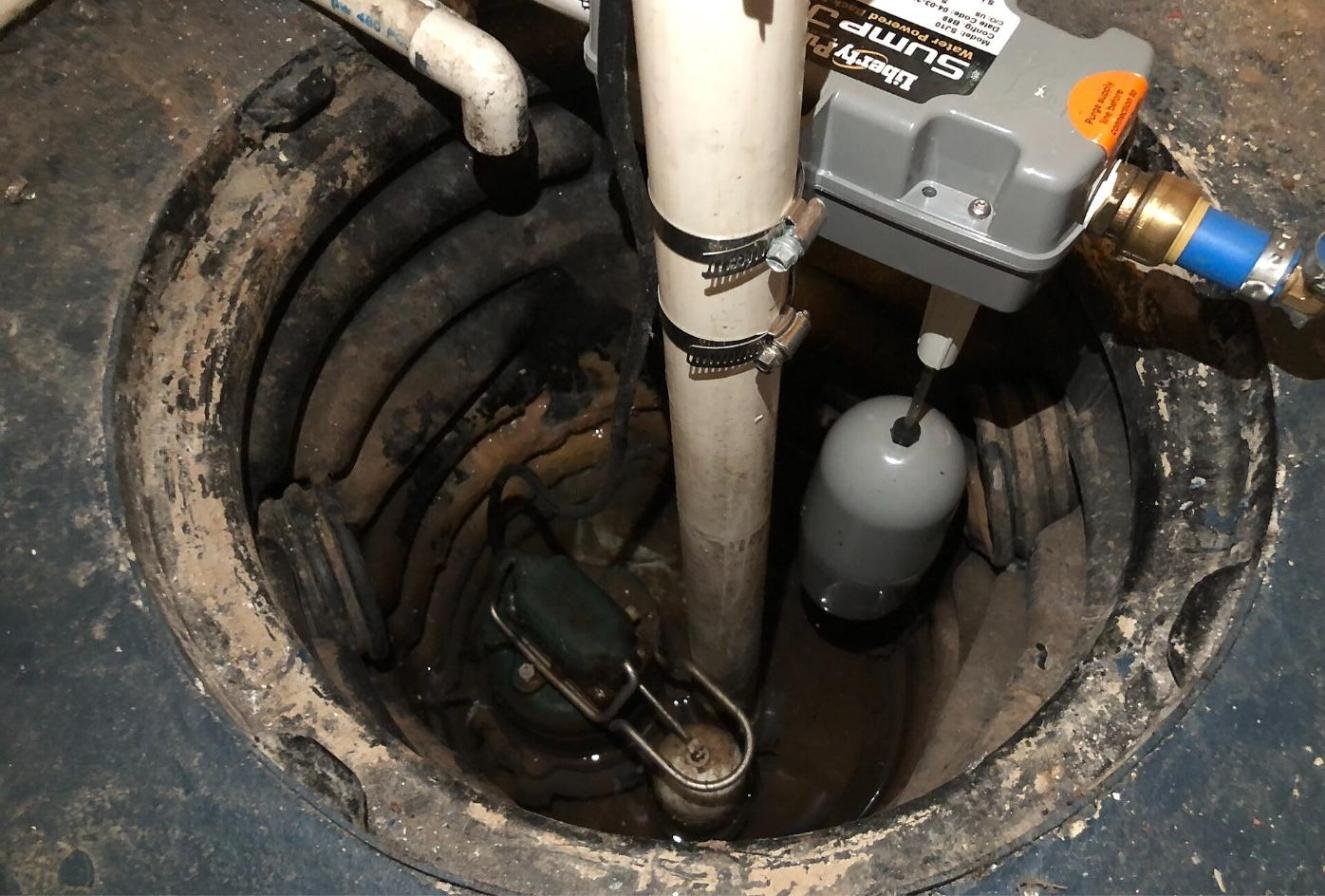
If your water heater is leaking, what to do is the same every time: close the cold water valve on the pipe going into the top of the tank, turn off the power or gas to the heater, and then deal with the water on the floor. If the tank itself is leaking, drain it through the valve at the bottom so it stops feeding the puddle. That is damage control. The repair or replacement is a job for a plumber or your rental provider.
Water heater leaking: what to do, step by step
- Close the cold water inlet valve. It is on the pipe entering the top of the tank. Turn a round handle clockwise, or turn a lever a quarter turn so it sits across the pipe. If it will not close or it is leaking too, close the main shutoff by the water meter.
- Turn off the energy source. For an electric tank, switch off the water heater breaker at the panel. For a gas tank, turn the control knob on the gas valve to off, or close the valve on the gas line feeding the heater.
- If you smell gas, do not touch switches. Leave the house and call your gas utility's emergency line from outside.
- Take photos of the tank, the leak and the wet floor before you clean up.
- Drain the tank if it is the tank that is leaking. Thread a garden hose onto the drain valve near the bottom, run the hose to the floor drain or sump pit, open the valve, then open a hot tap upstairs to let air in.
- Mop or wet-vac the standing water and move stored items away from the area.
Two cautions. The water in the tank is hot enough to scald, so keep hands and children away from the hose end and give the tank time to cool if you can. And never run an electric tank with the power on while it is empty, because the heating elements burn out in seconds.
Where is the leak coming from?
Knowing the source helps you describe the problem to the plumber and tells you how urgent it is.
- Top of the tank: a loose or corroded fitting on the hot or cold connection. Often repairable.
- A pipe running down the side that drips at the bottom: this is the discharge from the temperature and pressure relief valve. The valve may be faulty or it may be doing its job because pressure or temperature is too high. Do not cap or plug it. Have a plumber look at it.
- The drain valve at the bottom: it may not be fully closed, or the valve itself has failed. Often repairable.
- Water coming from under the tank or rust streaks at the base: the inner tank has corroded through. It cannot be patched, and the heater needs to be replaced.
Many water heaters in Ontario are rentals. If yours is, there will be a sticker on the tank with the provider's name and phone number. Call them first, since repair or replacement is normally their responsibility under the rental agreement.
How a small tank leak turns into wall and floor damage
A tank that splits can empty onto the floor and keep refilling from the supply until someone closes the valve. More often, though, the leak is slow. A drip at the base can run for weeks before anyone goes into the utility room. Water follows the slope of the concrete to the nearest low spot, which is frequently under the wall of the finished room next door.
From there it soaks the bottom plate of the wall, wicks up the drywall behind the baseboard and spreads under carpet, laminate or vinyl plank. By the time a stain or a musty smell shows up in the rec room, the framing may have been wet for a long time. That is how a water heater problem becomes a mold problem.
Drying the area properly
If the water stayed on bare concrete, clean up, run a dehumidifier and keep an eye on it. If it reached finished walls or flooring, find out how far it went before you decide it is fine. We use a thermal camera and moisture meter to trace the wet area without opening walls. A leak detection and moisture inspection runs $249 to $549. If drying is needed, we set air movers and dehumidifiers and log readings daily until the framing is under 16% wood moisture content. Most water damage jobs here run $1,950 to $11,000, with a firm written quote within 2 hours of you sending photos, between 7 am and 9 pm.
Before the new tank goes in
A replacement is a good time to add cheap protection. Ask the installer about a drain pan under the tank piped to the floor drain. Put a leak sensor on the floor beside the heater, and consider one that triggers an automatic shutoff valve on the main. Then make sure the floor and the base of the nearby walls are dry before anything is stored there again.
Common questions
Is a leaking water heater an emergency?
A steady leak or any leak with a gas smell needs action right away. A slow drip from a fitting is less urgent, but shut the water to the tank and book a plumber, because small leaks tend to grow.
Can I still use water in the house with the water heater shut off?
Yes. With only the heater's cold inlet valve closed, cold water still works everywhere. You will not have hot water until the tank is repaired or replaced.
Does home insurance cover damage from a leaking water heater?
Sudden leaks are covered under most policies, but damage from long-term seepage is commonly excluded, and the tank itself usually is not covered. Ask your broker how your policy treats it.
Send photos, get a firm quote in 2 hours
Three photos from your phone is enough for most jobs. No obligation.