What Is a HEPA Air Scrubber and Do You Need One?
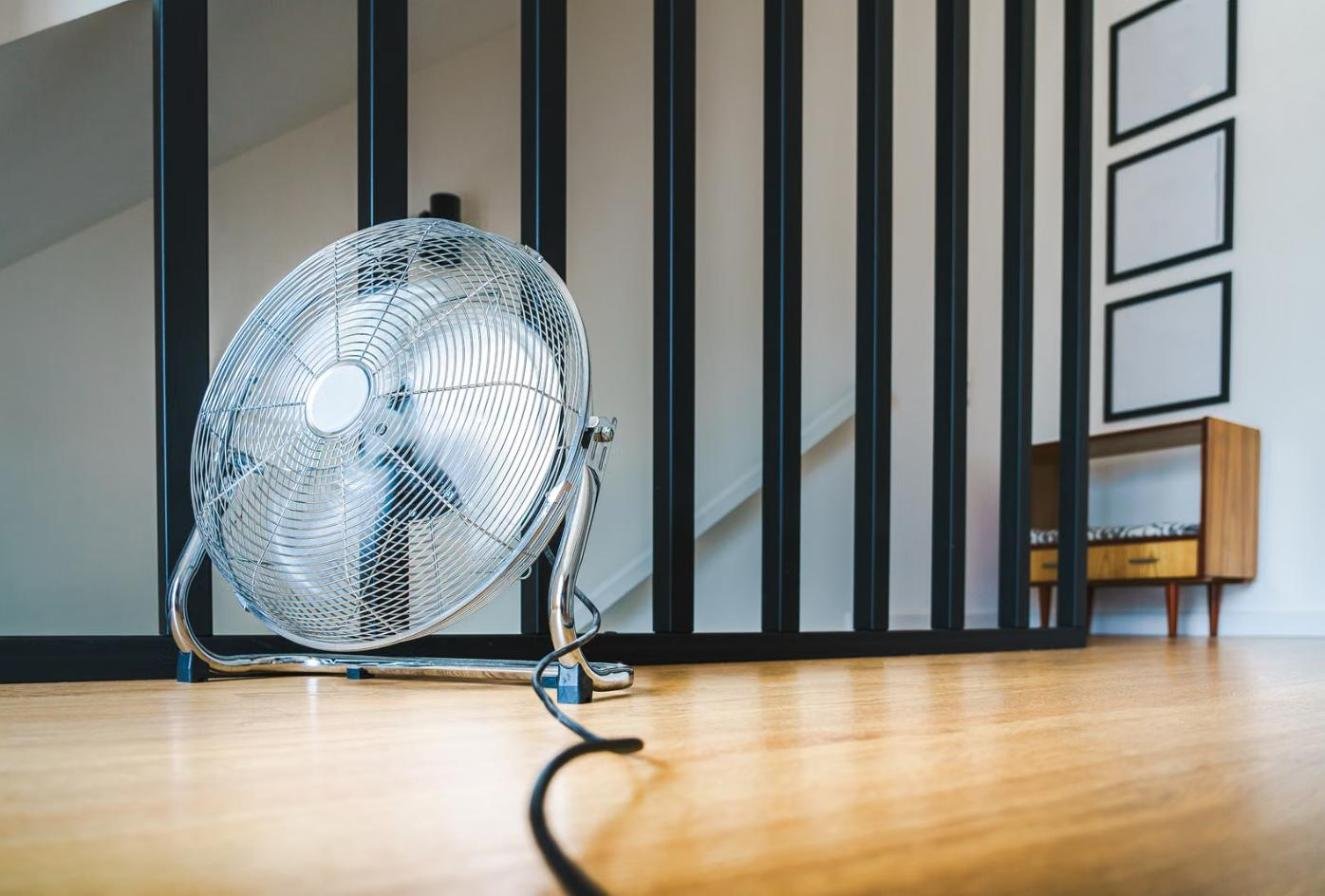
A HEPA air scrubber for mold work is a portable machine that pulls room air through a series of filters, ending in a HEPA filter that captures mold spores and fine dust. It is used during mold removal and demolition to keep those particles from spreading through the house. It does not kill or remove mold growing on surfaces, and it does not dry anything, so it is one part of a job and never the whole fix.
What HEPA means
HEPA stands for high efficiency particulate air. A true HEPA filter is rated to capture at least 99.97 percent of particles 0.3 microns across, the size that is hardest for a filter to catch. Larger and smaller particles are caught even more easily. Mold spores are generally several microns across, well within what a HEPA filter stops.
A commercial air scrubber is a box with a strong fan and usually three stages of filtration: a coarse pre-filter for lint and large dust, a finer second filter, and the HEPA filter last. The early stages protect the expensive HEPA filter and are changed often. Some units have an optional carbon stage for odours.
Air scrubber or negative air machine?
It is often the same machine used two ways.
As an air scrubber, it sits in a room, draws air in, filters it and blows it back into the same room. The air is cleaned over and over. As a negative air machine, a duct is attached to the outlet and the filtered air is sent outside the work area, usually out a window. The work area is sealed with plastic sheeting, so removing air from it puts it under slight suction. Air leaks inward through any gap in the plastic instead of outward. Whatever is stirred up during the work stays inside and ends up in the filter.
That second setup, containment with negative air through HEPA filtration, is the standard arrangement for mold remediation, and it is how we set up mold jobs.
What a HEPA air scrubber does for mold, and what it does not
Mold spores are released in large numbers when moldy material is disturbed. Cutting out drywall, pulling insulation, and brushing or sanding stained framing all put spores and fragments into the air. A scrubber's job is to catch them before they settle through the rest of the house or get breathed in.
- It does capture airborne spores, mold fragments, drywall dust and other fine particles.
- It does help maintain the suction that keeps a contained work area contained.
- It does not remove mold that is growing on wood, drywall or concrete. That has to be physically cleaned off or cut out.
- It does not take moisture out of the air or out of materials. That is the dehumidifier's job.
- It does not fix the leak or humidity that caused the mold.
- It is not an ozone generator or a fogger. It adds nothing to the air. It only filters.
When one is needed
- Any mold removal that involves opening walls or ceilings, removing insulation or cleaning framing.
- Attic mold work, where spores and insulation dust would otherwise drop into the living space through the hatch.
- Demolition of water-damaged material that sat long enough to grow mold.
- Sewage cleanups.
- Dusty demolition in a home where someone has asthma, allergies or a weakened immune system, or where there are infants or seniors. Health Canada notes these groups are more susceptible to the effects of mold. Anyone with health concerns should speak with their doctor.
When you probably do not need one
A clean-water leak that is caught and dried within the first day or two, with no demolition and no mold, generally does not call for an air scrubber. The equipment that matters there is the dehumidifier and the air movers. A quote that includes scrubbers on a small clean drying job is worth a question.
They are also not something most homes need permanently. A household HEPA purifier is a much smaller version of the same idea and can help with dust and allergens in a bedroom. It will not solve a mold problem, for the same reason the big one will not: the growth and the moisture are still there.
What to expect when one is running
The machine is about the size of a large cooler and plugs into a regular outlet. It makes a steady fan noise, quieter than a room full of air movers. If it is set up for negative air, you will see a flexible duct running to a window panel and the plastic walls of the containment pulled gently inward. That inward pull is the sign it is working.
It runs continuously from before the first cut until the area has been cleaned and has passed final checks. Do not switch it off, and do not open the containment to look inside while work is under way. Filters are changed as they load up, and the machine itself is wiped down before it leaves the work area.
If you are comparing mold quotes, ask each company two things: whether the work area will be under negative air, and where the filtered air will be exhausted. Clear answers to both tell you the containment has been thought through.
Common questions
Can I rent a HEPA air scrubber and remove the mold myself?
Rental shops carry them, and for a small patch a careful homeowner can manage. Larger areas need proper containment, protective gear and a moisture fix, which matter more than the machine.
How long should an air scrubber run after mold removal?
It keeps running through the final cleaning and until the area passes inspection, commonly a day or so after the last dusty work. The exact time depends on the size of the space and the machine.
Do HEPA air scrubbers remove the musty smell?
Only partly. Odour comes from gases that pass through a HEPA filter, so a carbon filter stage helps, but the smell goes away for good once the mold and the dampness behind it are gone.
Send photos, get a firm quote in 2 hours
Three photos from your phone is enough for most jobs. No obligation.