Sewer Backup in a Restaurant or Commercial Kitchen: Cleanup in London, Ontario
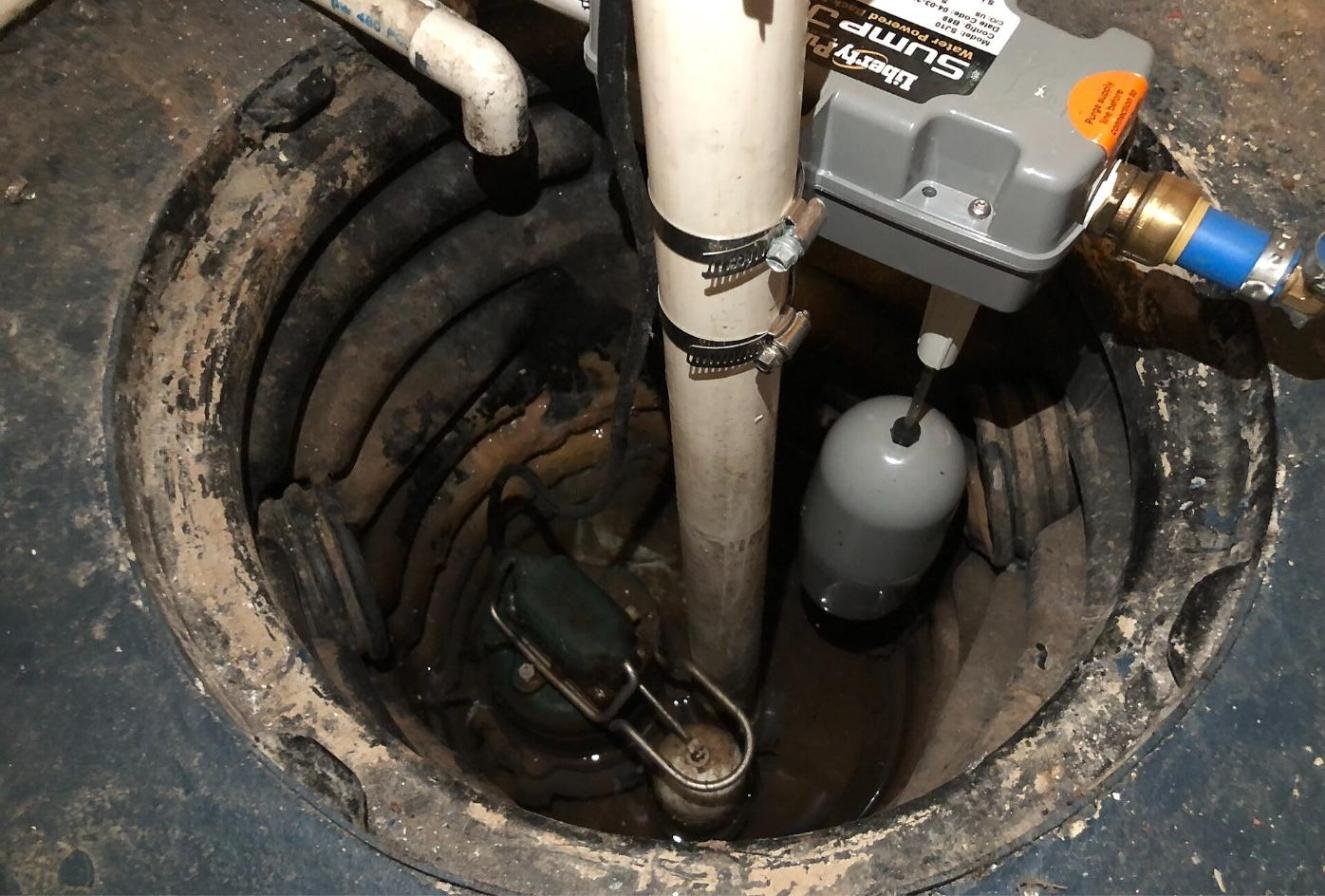
A sewer backup in a restaurant is the worst kind of water loss: it is contaminated, it usually happens during service or a heavy storm, and every hour closed costs money. This guide covers commercial sewer backup cleanup in London, Ontario for restaurants, cafes, bakeries and other food businesses, from the first minutes to reopening.
Why restaurant drains back up
- Grease. Fats, oils and grease harden in lateral lines and grease interceptors until the line closes.
- Heavy rain. During intense storms, municipal sewers can surcharge and push water back up through the lowest floor drains, especially in basements and below-grade kitchens.
- Roots and broken laterals in older plazas and downtown buildings.
- No backwater valve, or one that has not been inspected and is stuck open.
The first 30 minutes
- Stop using water. No dishwashers, sinks, mop sinks or toilets. Every litre you send down goes back onto the floor.
- Get people out of the area. Staff should not walk through sewage. Cut power to equipment sitting in water from a dry location.
- Protect food. Close walk-ins and move nothing through the contaminated area. Food, packaging and single-use items that sewage has touched must be thrown out.
- Call a drain contractor to clear the blockage, and a mitigation company that answers 24/7 for cleanup.
- Photograph and video everything before cleanup starts, for your insurer.
Why this is Category 3 water
Under the IICRC S500 standard, sewage is Category 3, or black water. It carries bacteria and viruses, and it is treated very differently from a clean supply-line leak:
- Porous materials it touched, such as drywall, insulation, wood baseboards, cardboard and fabric, are removed and disposed of, not dried and kept.
- Hard non-porous surfaces like stainless steel, sealed concrete and quarry tile are cleaned and disinfected.
- Crews wear full protective equipment and the area is contained so contamination is not tracked into dining rooms or storage.
- The structure is then dried and moisture readings confirm it is dry before anything is closed up.
Public health and reopening
Food premises in Ontario are inspected by the local public health unit: the Middlesex-London Health Unit in London and Middlesex County, and Southwestern Public Health in Oxford and Elgin. A sewage backup into a food preparation area is the kind of event your public health inspector should hear about from you, and they decide what has to happen before the affected area is used again. Keep the cleanup company's report, including what was removed, what was disinfected and the final moisture readings, ready to show them.
How to reopen faster
- Have the drain cleared first and confirmed flowing before cleanup starts
- Schedule cleanup overnight so you lose as few services as possible
- Close off only the affected area with containment if the rest of the kitchen and dining room were not touched
- Keep a list of equipment that sat in water for your service technicians to check before it is used
Insurance
Sewer backup is often a separate endorsement on commercial property policies, and business interruption coverage may apply to lost revenue while you are closed. Call your broker the same day. Clear photos, the drain contractor's report on the cause and the cleanup company's itemized invoice are what the adjuster will ask for.
Prevent the next one
- Pump and inspect grease interceptors on schedule, and keep the records
- Have a backwater valve installed on the building lateral, and inspect it every year
- Scrape plates and pans into the garbage, not the drain
- Camera-inspect the lateral if you have had more than one backup
- Keep a cleanup company's 24/7 number posted in the kitchen
We handle commercial sewer backup cleanup across London and Middlesex County, 24/7, with overnight scheduling for restaurants. See our commercial services or call the number below.
Common questions
Can a restaurant stay open after a sewer backup?
Not in the affected area until it has been cleaned, disinfected and dried. Your public health inspector decides what is needed before food preparation resumes there. Unaffected areas can sometimes stay open if they are separated.
Is sewage cleanup covered by commercial insurance?
Often only if the policy includes a sewer backup endorsement. Business interruption coverage may cover lost revenue. Call your broker the same day.
How long does commercial sewer backup cleanup take?
Removal and disinfection are often done overnight. Drying takes longer if walls or subfloors are wet, typically three to five days with equipment running.
Can wet drywall from a sewer backup be saved?
No. Drywall, insulation and other porous materials touched by sewage are removed and disposed of under IICRC S500 guidance for Category 3 water.
Sewer backup at your business? Call now.
Answered 24/7. Overnight cleanup available so you can reopen sooner.