Home Mold Test Kits: Are They Worth Buying?
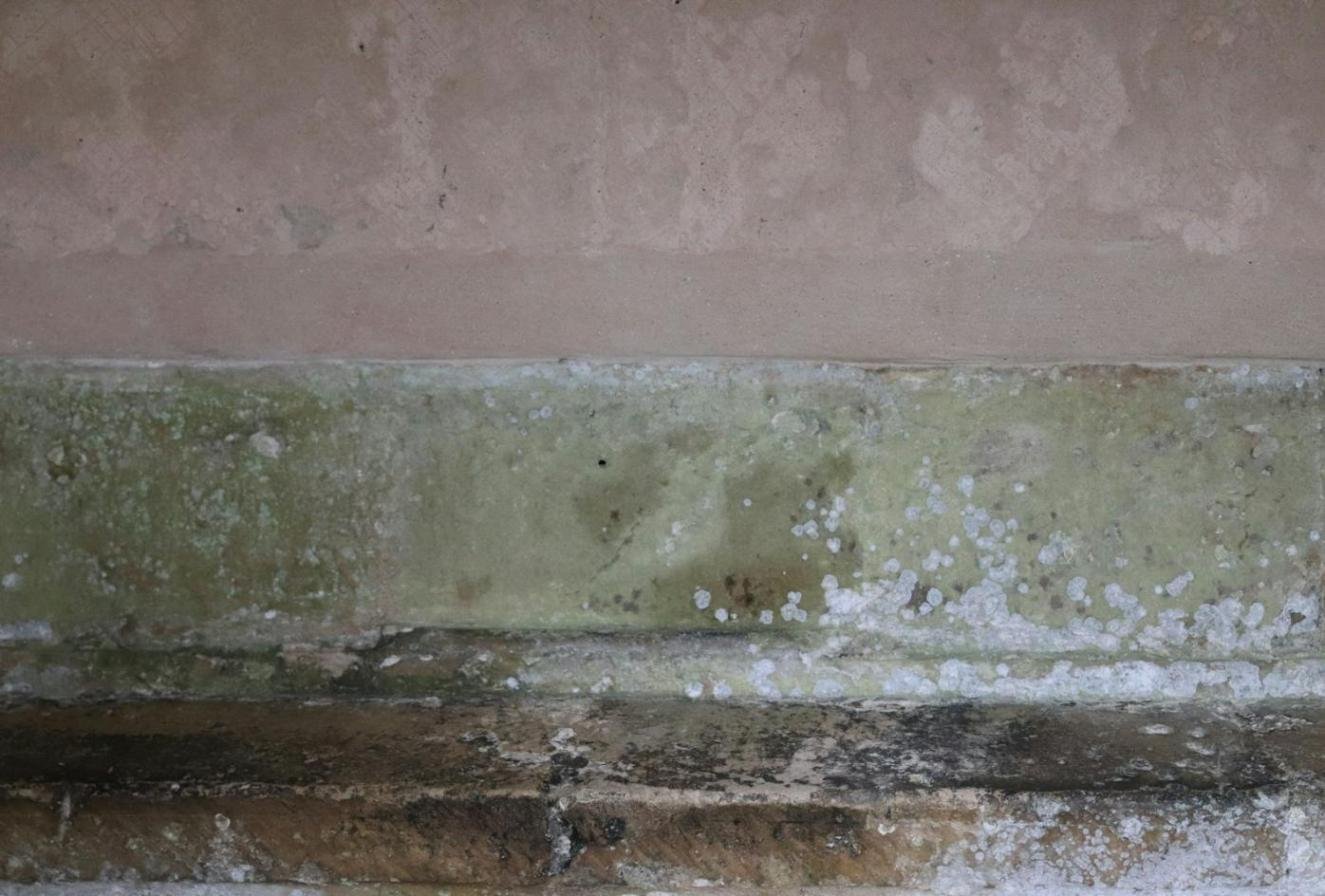
Home mold test kit accuracy is poor for the question most buyers are asking, which is whether their house has a mold problem. The common settle-plate kits will grow mold in nearly any home, because mold spores are in all air, indoors and out. A positive plate does not tell you how much mold is present, where it is, or whether it is unusual.
How home mold test kits work
Most hardware-store kits are a petri dish with a growth medium in it. You leave the dish open on a table for an hour or so, put the lid on, and wait a few days. Spores that happened to settle on the dish grow into visible colonies. Some kits include a swab for wiping a surface, and some let you tape the dish to a furnace vent. Nearly all of them offer to mail the dish to a lab for an extra fee that often costs more than the kit did.
Compare that with what a consultant does. Professional air sampling uses a calibrated pump that draws a known volume of air, so the result can be expressed as a count per cubic metre, and it includes an outdoor sample for comparison. A settle plate has neither.
Home mold test kit accuracy: where the kits fall short
- No measured air volume. The dish catches whatever falls on it. Heavy spores settle quickly and light ones stay in the air, so the dish favours some molds and misses others.
- No outdoor comparison. Without a baseline, there is no way to say whether what grew is normal background or a sign of indoor growth.
- It only grows what likes the medium. Some molds linked to water damage grow slowly or poorly on a general-purpose plate and get crowded out by fast growers.
- Results depend on handling. Room temperature, how long the dish sat open, air movement and how long you waited before reading it all change the outcome.
- A positive is nearly guaranteed. Open a dish in a clean, dry house and you will usually get colonies within days. That alarms people for no reason.
- A negative proves little. Mold inside a wall or under flooring may not be shedding into the room during that hour.
Put together, a kit can give a scary result in a healthy house and a reassuring one in a house with a real problem behind the drywall.
What a kit can and cannot tell you
A kit can confirm that a fuzzy patch you swabbed is mold and not dirt, soot or mineral deposits. If you pay for the lab add-on, it can name the types that grew. That is about the limit.
It cannot tell you whether the air in your house is a concern, how big a hidden problem is, where the moisture is coming from, or whether a cleanup worked. It also cannot tell you anything about your health. Health Canada does not recommend home testing for mold for these reasons. Its advice is to look for mold and dampness directly and deal with what you find.
Is the lab analysis add-on worth it?
Rarely. The lab can only identify what grew on a dish that was collected in an uncontrolled way. You get a list of mold names, often common outdoor types that are in every house, and no sound way to interpret them. If you truly need to know what species are present, for a doctor or for a dispute, the result has to come from sampling that will stand up to questions, and that means an independent consultant.
Better ways to spend the same money
For about what a kit and its lab fee cost, you can buy tools that tell you more.
- A hygrometer. A basic digital one costs about $15 to $20 and shows relative humidity. Aim for roughly 50% or lower in summer and around 30% in cold weather.
- A good flashlight. Check behind stored boxes, under the basement stairs, around the sump pit, under sinks and along the bottom of outside walls.
- Your nose. A musty, earthy smell that is stronger in one area is a more reliable sign of growth than a petri dish.
- A pin-type moisture meter. Entry-level models are sold at hardware stores and will tell you whether a suspect patch of drywall or wood is damp.
Do a slow walk through the house with those. Look for staining, bubbling paint, warped baseboards and white or dark spotting. In older London neighbourhoods with stone or block foundations, pay attention to the lower part of the basement walls and anything stored against them.
What to do if you already used a kit
Do not panic over a dish full of colonies. It was always going to grow something. Seal it in a bag and put it in the garbage. Then do the walk-through above. If you find visible mold, dampness or a persistent smell, you have your answer and the next step is a moisture inspection or a removal quote. If you find nothing and the humidity is in range, the dish result on its own is no reason to spend more. A kit result is not something an insurer, a landlord or a buyer is likely to accept as evidence, so keep photos and moisture readings instead.
Common questions
Are instant mold test strips or sprays any better?
Products that change colour on contact can suggest whether a stain is biological, but they share the same limit as dish kits. They say nothing about how much mold there is or why it is growing.
Can I test for mold in my furnace ducts with a kit?
Taping a dish to a vent mostly collects ordinary household dust and outdoor spores moving through the system. A visual check of the ducts, humidifier and furnace cabinet is more informative.
How long should I wait before reading a mold test plate?
Kit instructions usually call for a few days at room temperature. Whatever the timing, visible colonies on a settle plate are expected in most homes and do not indicate a problem on their own.
Send photos, get a firm quote in 2 hours
Three photos from your phone is enough for most jobs. No obligation.