Is Black Mold Really Worse Than Other Mold?
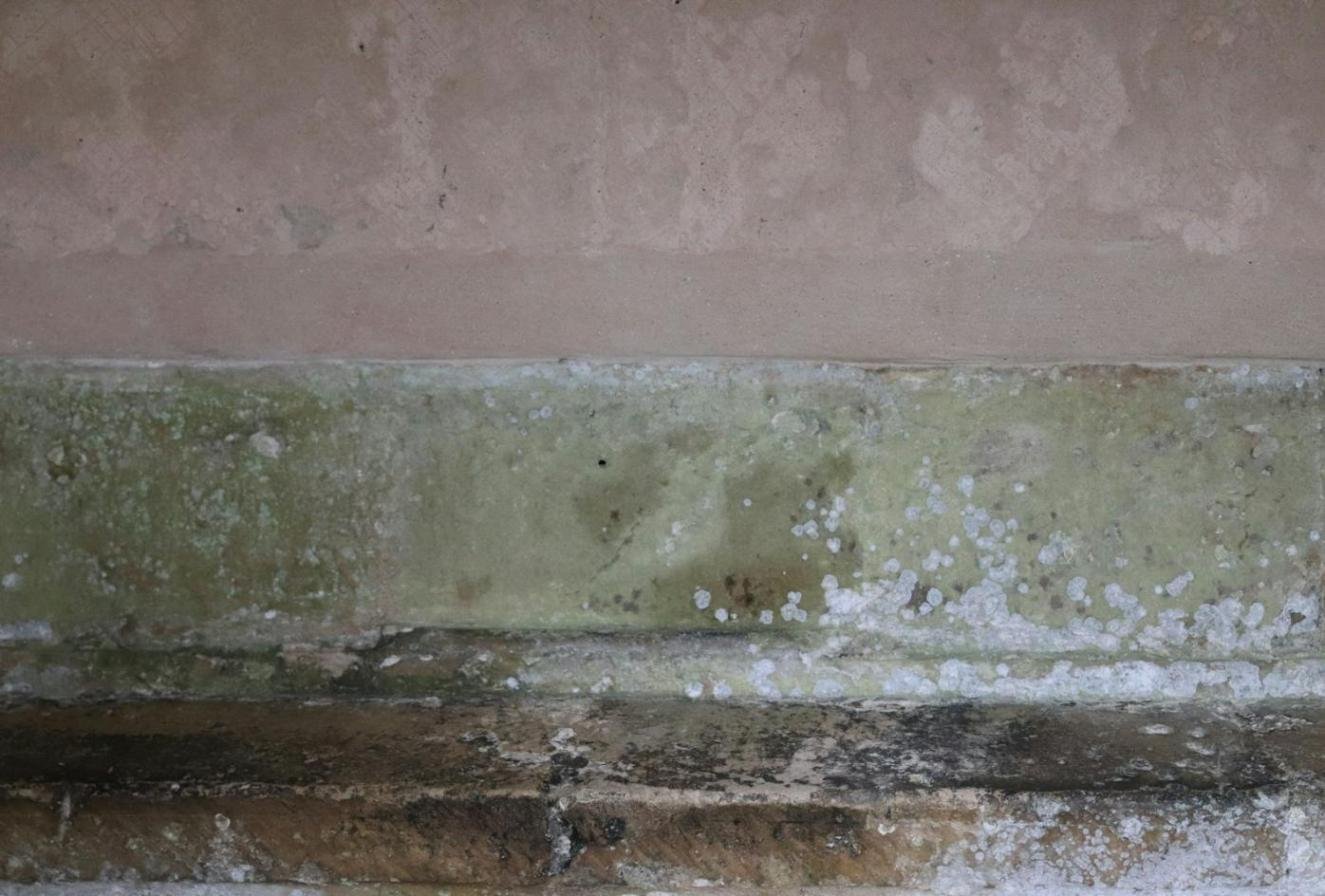
Is black mold dangerous? It can affect your health, but so can mold of any other colour. Health Canada's position is that any mold growing indoors should be removed, whatever the species, because all of it can irritate the airways and aggravate asthma and allergies. The colour of a patch tells you very little about what it is or how much it matters.
What people mean by black mold
When people say black mold they usually mean Stachybotrys chartarum, a dark greenish-black mold that has had years of news coverage. It is a real species and it does turn up in water-damaged houses. It likes material with a lot of cellulose, such as the paper face of drywall, ceiling tile and cardboard, and it needs that material to stay very wet for a long stretch. That is why it tends to follow a slow leak or a flood that was never dried properly. It is less common from ordinary winter condensation.
The trouble is that plenty of common household molds are also dark. Cladosporium, the olive-black growth on window frames and bathroom ceilings, is one of the most common molds anywhere. Aspergillus niger is black. Alternaria runs dark brown to black. Staining on attic roof sheathing is very often dark as well. Meanwhile Stachybotrys can look grey or green depending on its age and how wet it is. Nobody can identify a species by eye, and that includes us. It takes a lab and a microscope.
Is black mold dangerous compared with other mold?
Stachybotrys can produce mycotoxins under certain conditions. So can some species of Aspergillus and Penicillium, which are usually green, blue or white. That is where the toxic mold label comes from. What gets lost is that a mold producing a compound on a wet sheet of drywall is a different thing from a person in the room breathing in enough of it to be harmed. Health agencies have been careful about that gap. Health Canada has not set a safe exposure limit for any mold species, and its advice does not change with the species: find it, fix the water, remove it.
The health effects that are well established apply to indoor mold in general. Those are irritated eyes, nose and throat, coughing, wheezing, and worse symptoms for people who already have asthma or allergies. A white or green mold spread across a basement wall can cause those as readily as a black one. If someone in the house has symptoms they think are tied to mold, that is a conversation for their doctor. A remediation contractor is not qualified to tell you what is making you sick, and you should be wary of one who tries.
What matters more than colour
- How much there is. A few spots on bathroom caulking is a cleaning job. Growth across several square metres of wall or roof sheathing is a remediation job.
- What it is growing on. Mold on tile, glass or metal wipes off. Mold in drywall, insulation or carpet underpad usually means the material has to come out.
- Whether the water is still coming. With an active leak or ongoing condensation, growth continues no matter what you do to the surface.
- Where it is. Growth inside a finished, lived-in room affects the people in the house more than the same amount in a vented attic that is sealed off from the living space.
- Who lives there. Infants, seniors and people with asthma, allergies or weakened immune systems are more susceptible.
Should you test to find out if it is black mold?
Usually not. If you can see the mold, a lab report naming the species does not change the work. The containment, the removal and the drying are the same for Cladosporium as for Stachybotrys, and Health Canada does not recommend testing to identify the type in most homes. A lab identification can be worth having when a doctor asks for it, when there is a dispute, or when a real estate deal needs the paperwork. For an ordinary patch in an ordinary house, the money is better spent on finding the moisture.
What to do if you find dark mold in your house
- Leave it alone for now. Dry scrubbing, sanding or tearing out wet drywall puts spores and fragments into the air.
- Find the water. Look for a leaking pipe, a roof or window leak, a damp foundation wall, or condensation from poor ventilation.
- Size it up. Health Canada treats one to three patches, each smaller than a square metre, as a small area most healthy adults can clean themselves. Anything adding up to more than about three square metres is considered extensive and calls for professional help.
- Take photos with something in the frame for scale, and note where the patch is and how long you think it has been there.
- Keep anyone in a higher-risk group away from the area until it is dealt with.
Treat dark mold the way you would treat any mold. Take it seriously, skip the panic, and deal with the moisture first. If the area is larger than you can safely clean, or it keeps coming back, photos are enough for us to give you a firm written quote, normally within 2 hours between 7 am and 9 pm.
Common questions
What does Stachybotrys look like?
It is usually dark greenish-black and can look slimy when wet or sooty when dry. Several other common molds look the same, so appearance alone is not a reliable way to identify it.
Can black mold grow on concrete?
Mold feeds on organic material, so on concrete it is usually living on dust, paint, or residue on the surface, with the concrete supplying the dampness. White crusty deposits on a foundation wall are often mineral salts called efflorescence, which is a moisture sign but is not mold.
Does black mold spread faster than other mold?
No. Stachybotrys is actually a slow grower that needs very wet material. Faster-growing molds such as Penicillium and Aspergillus usually show up first after a leak.
Send photos, get a firm quote in 2 hours
Three photos from your phone is enough for most jobs. No obligation.