Mold Exposure Symptoms: What Health Canada Says
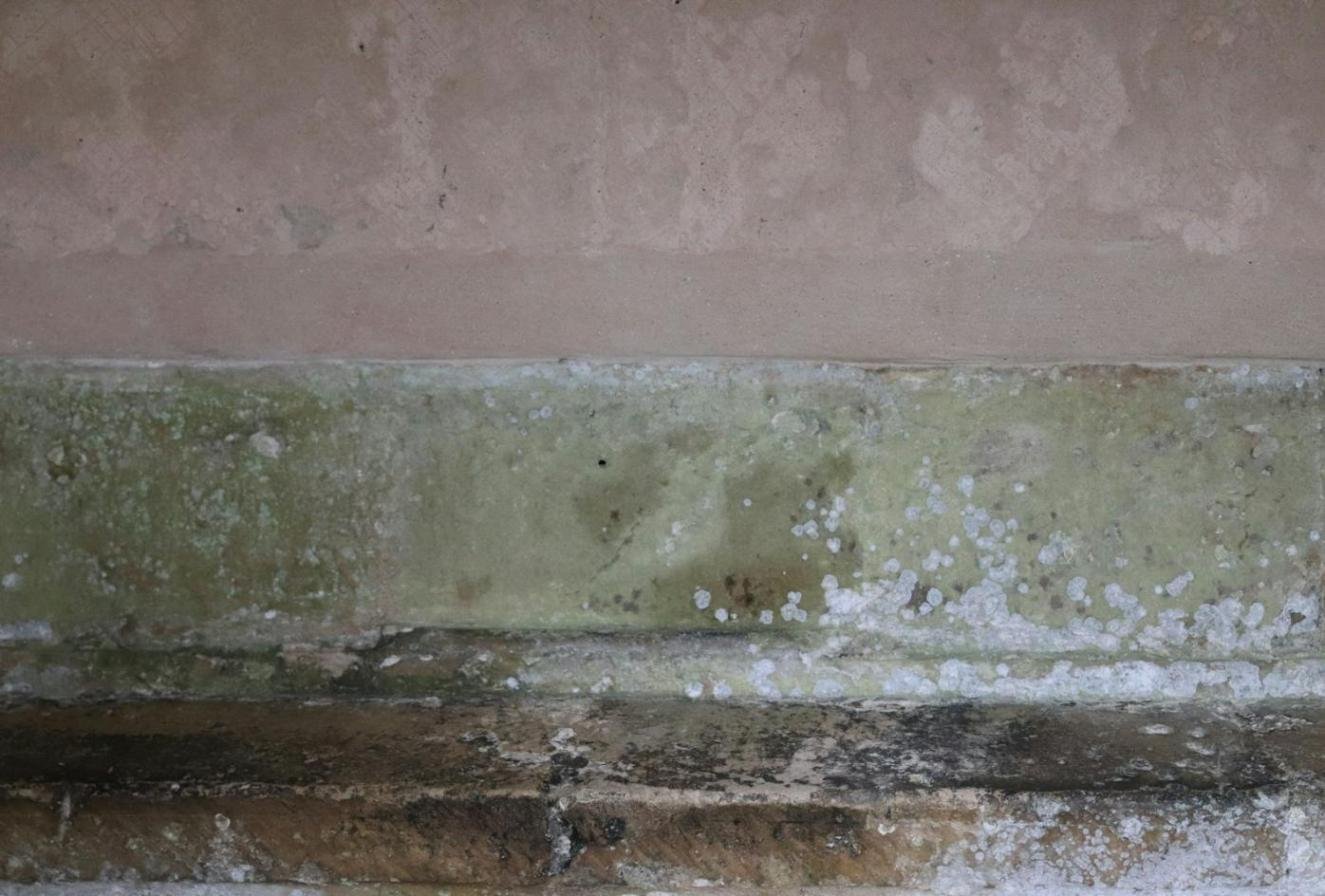
The mold exposure symptoms Health Canada lists are irritation of the eyes, nose and throat, coughing and phlegm build-up, wheezing and shortness of breath, and worsening of asthma symptoms and allergic reactions. The agency does not set a safe level of indoor mold. Its advice is to remove any mold growing in a home and fix the moisture behind it.
The mold exposure symptoms Health Canada describes
Health Canada's guidance on residential mold is short and deliberately general. It says that people living in homes with mold and damp conditions are more likely to have:
- Eye, nose and throat irritation
- Coughing and a build-up of phlegm
- Wheezing and shortness of breath
- Symptoms of asthma, or asthma that gets worse
- Allergic reactions
Notice what kind of list that is. Every item is a respiratory or allergy-type complaint, and every item has many other possible causes, from a cold to pollen to a dusty furnace filter. That is why the guidance is worded as more likely to have and stops short of saying mold causes a specific illness in a specific person. How strongly someone reacts depends on the person, how much mold there is, and how long they have been around it.
What the guidance does not say
A lot of what circulates online goes well past the official position. It helps to know where the line is.
- It does not single out one species as the dangerous one. The advice is the same for every mold growing indoors.
- It does not give a number. There is no Canadian exposure limit for mold spores in house air, because people respond so differently that no single figure would be meaningful.
- It does not recommend air testing as a way to decide whether you have a health problem. Looking for mold, damp and musty odour is considered more useful.
- It does not tie mold to a long list of unrelated conditions. Claims about memory, mood, or whole-body illness from household mold go beyond what mainstream health agencies state.
We stay inside that line too. We remove mold and dry buildings. We do not diagnose anyone, and no contractor should.
Signs that symptoms may be linked to your home
Doctors often ask about patterns, so it is worth paying attention to a few things before an appointment. None of these proves anything, but they are useful to report.
- Symptoms ease when you are away for a few days and return after you come home.
- They are worse in one part of the house, such as a finished basement.
- They started or got worse after a leak, a flood or a damp season.
- More than one person in the household has similar complaints.
- There is a musty smell, visible mold, or a history of water damage in the house.
Write down when symptoms happen and where you were. A two-week log is more useful to a doctor than a general feeling that the house is making you sick.
When to see a doctor about mold symptoms
See your family doctor or a walk-in clinic if you have a cough, wheeze or irritation that does not clear up, or if asthma is getting harder to control. Tell them about any mold or dampness at home. Trouble breathing, chest tightness or a severe asthma attack is an emergency, and you should call 911 or go to the emergency department. If you do not have a family doctor, Health811 lets you speak with a registered nurse by phone in Ontario. Certain groups are more susceptible than others, including infants, seniors and people with asthma or weakened immune systems, and they should be seen sooner.
Be cautious with mail-order mold illness tests and with anyone selling a treatment and a remediation package together. Medical questions belong with a physician. Building questions belong with someone who will show you moisture readings.
What to do about the house
Whatever the doctor finds, the building advice is the same: mold indoors should come out, and the moisture has to be fixed or it will return.
- Look for the obvious. Check under sinks, around windows, behind furniture on outside walls, in the basement corners and in the attic if you can do it safely.
- Check the humidity. Health Canada suggests keeping indoor relative humidity around 50% in summer and around 30% in cold weather. An inexpensive hygrometer will tell you where you are.
- Clean small patches yourself with water and dish detergent, wearing gloves, eye protection and an N95 mask. Health Canada counts one to three patches, each under a square metre, as small.
- Get help for larger areas, for mold that returns after cleaning, and for anything following sewage or a major flood.
- Fix the source. That might be a plumbing repair, a bathroom fan that vents outside, a dehumidifier in the basement, or grading that moves water away from the foundation.
London summers are humid and many basements here sit in heavy clay soil that holds water against the foundation, so basement dampness is common even in houses that have never flooded. If you have symptoms and a musty basement, deal with both: book the doctor, and get the moisture found. A moisture inspection with a thermal camera and meter runs $249 to $549 and tells you whether there is a building problem to fix.
Common questions
How long after mold exposure do symptoms start?
It varies widely. People with allergies or asthma may react within minutes to hours of being in a moldy space, while others notice nothing at all. A doctor is the right person to assess timing in your case.
Do mold symptoms go away after the mold is removed?
Many people report that irritation eases once the mold and dampness are gone, but that depends on the person and on whether mold was the cause. If symptoms continue after the house is fixed, go back to your doctor.
Can a doctor test me for mold exposure?
Doctors can test for allergies to certain molds, which shows sensitivity but does not prove your house is the source. Ask your physician which tests, if any, make sense for you.
Send photos, get a firm quote in 2 hours
Three photos from your phone is enough for most jobs. No obligation.