Is It Safe to Sleep in a Room With Mold?
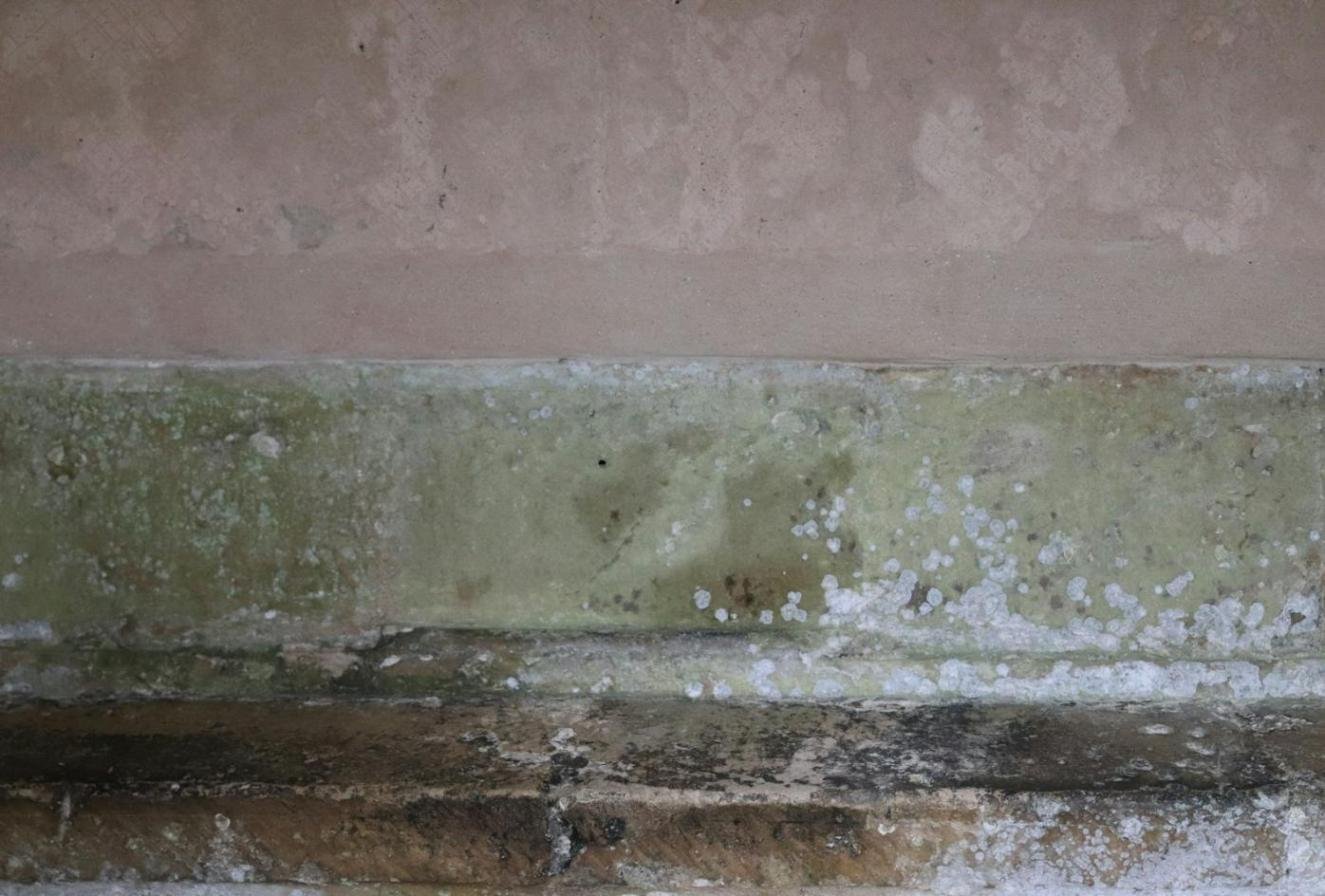
Sleeping in a room with mold is not recommended, though the level of concern depends on how much mold there is and who is in the bed. A few spots on a window frame are a cleaning job for the weekend. A large patch, a strong musty smell, or anyone in the room with asthma, allergies or a weakened immune system is reason to sleep elsewhere until it is fixed. Health Canada's advice is that indoor mold should be removed in every case.
Is sleeping in a room with mold a health risk?
It can be. You spend more continuous hours in a bedroom than in any other room, usually with the door closed and little air exchange. If mold is growing there, that is a long stretch of breathing whatever it releases. Health Canada links mold and dampness in homes with irritation of the eyes, nose and throat, coughing, wheezing, and worsening of asthma and allergies.
People respond very differently. Some notice nothing. Others wake up congested or coughing and feel better through the day. We cannot tell you which you will be, and we cannot tell you whether a symptom you have is from mold. If you are waking up with breathing trouble or symptoms that will not clear, see a doctor and mention the mold.
How much mold, and where, changes the answer
- Light spotting on a window sill, frame or the caulking around it. This is usually winter condensation. Clean it and manage the humidity. Most healthy adults do not need to move out of the room.
- Spotting on the ceiling or in an upper outside corner. Often condensation again, or an attic insulation gap. Clean it, then watch whether it returns.
- A patch behind the headboard, dresser or in a closet on an outside wall. Furniture against a cold wall traps damp air. Pull it away, clean, and check whether the drywall is sound.
- A patch larger than about a square metre, several patches, or stained and soft drywall. This is beyond cleaning. Sleep somewhere else until it is assessed.
- A musty smell with nothing visible. Something is growing where you cannot see it, possibly in the wall, under carpet or in the room below. Treat it as unresolved until the source is found.
Who should move to another room right away
Health Canada identifies some people as more susceptible to mold: infants and children, seniors, and people with asthma, allergies, other breathing conditions or weakened immune systems. If the bedroom belongs to someone in one of those groups, do not wait to see how it goes. Move them to a room without mold tonight, even if the patch looks small. The same goes for anyone who is clearly reacting in that room, whatever their age or health.
What to do tonight
- Decide who sleeps where, using the points above.
- Do not start scrubbing or tearing things out at bedtime. Disturbing mold puts more of it in the air right before you sleep in it.
- Close the door to the affected room if you are leaving it empty, so air from it does not circulate as much.
- If you are staying in the room, move the bed away from the affected wall and open the window a little if the weather allows.
- Turn off any humidifier in the room.
- Take photos of the mold in good light so you have a record of its size.
What to do this week
For a small area on a hard or painted surface, clean it in daylight with the window open. Wear rubber gloves, eye protection and a properly fitted N95 mask. Scrub with water and dish detergent, wipe with a clean damp rag, and dry the surface. Health Canada considers one to three patches, each under a square metre, a small job.
Then go after the reason. Bedrooms in our area usually grow mold for one of a few reasons. Humidity is too high in winter, so moisture condenses on cold windows and outside corners. Furniture or stored items are tight against an outside wall. There is a bathroom next door or above with a weak fan or a slow leak. Or it is a basement bedroom picking up summer humidity and dampness from the foundation. A hygrometer on the nightstand will tell you a lot. Aim for about 30% relative humidity in cold weather and no more than about 50% in summer.
If you rent, tell your landlord in writing, with photos and the date. Mold caused by a building problem is generally the landlord's responsibility to repair in Ontario. If it is not dealt with, the Landlord and Tenant Board and your municipality's property standards office are the places to ask about your options.
When the room is ready to sleep in again
After a small cleanup, the room is fine once the surface is clean and dry and the smell is gone. Keep an eye on the spot for a few weeks. After professional remediation, wait until the containment is down, the area has been cleaned, and you have the clearance report showing the framing is dry. If growth or odour returns after you have cleaned twice, stop cleaning and have the wall checked with a moisture meter, because the source is behind the surface.
Common questions
Does an air purifier make it safe to sleep in a moldy room?
A HEPA purifier can lower the amount of spores in the air, which may help in the short term. It does not remove the growth or the moisture, so treat it as a stopgap while the room gets fixed.
Can mold grow in a mattress or pillows?
Yes, if they stay damp, for example on a bed pushed against a wet wall or a mattress on a basement floor. A mattress with visible mold or a musty smell is very hard to clean and is usually replaced.
Should I keep the bedroom window open if there is mold?
Fresh air helps when it is dry outside. On humid summer days an open window brings more moisture in, so a dehumidifier or air conditioning does more good.
Send photos, get a firm quote in 2 hours
Three photos from your phone is enough for most jobs. No obligation.