Mold in a Cold Room or Cantina: Why It's So Common
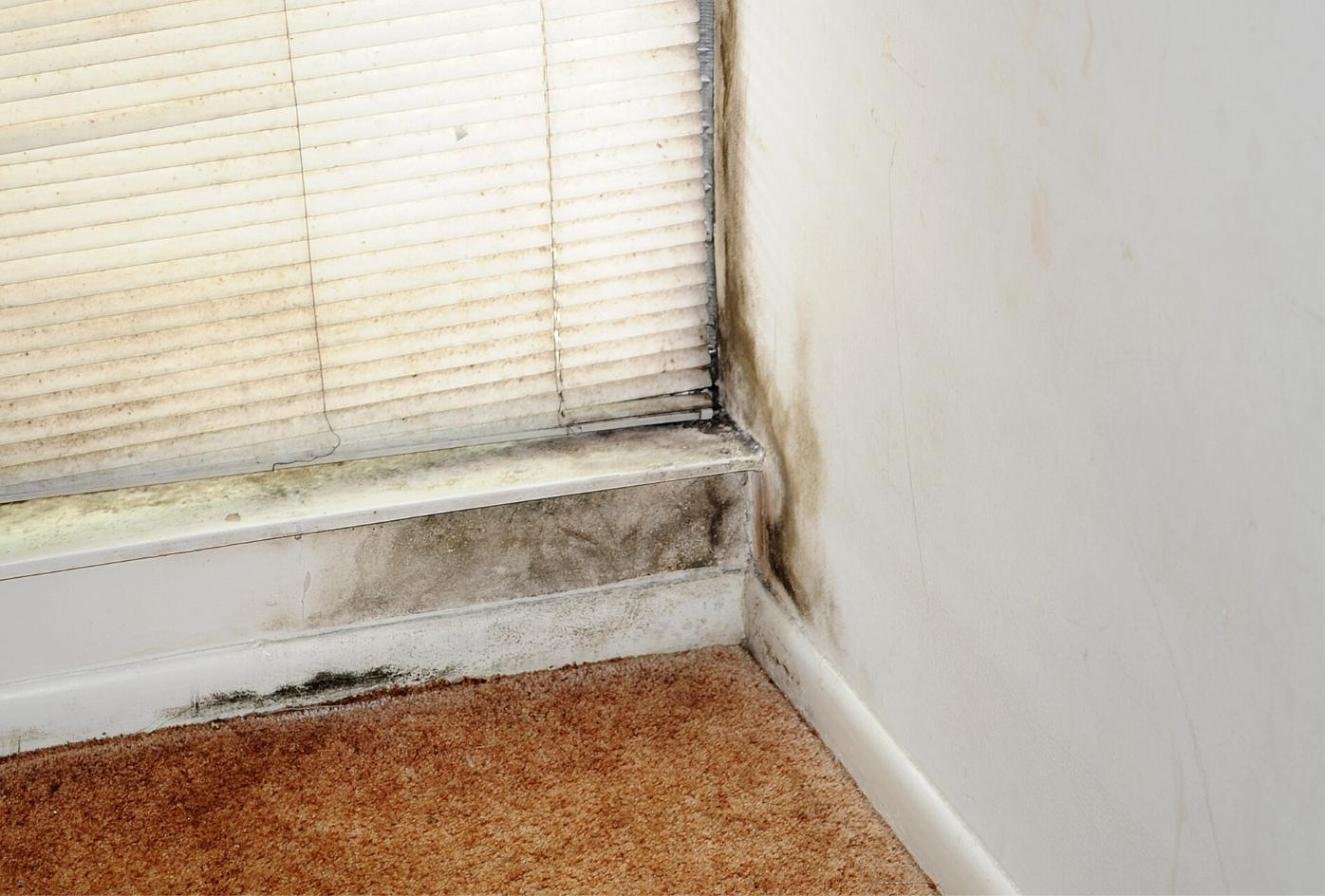
Mold in a cold room or cantina is common because the room is built to stay cold, and cold concrete collects condensation. Humid air reaches the bare walls and the underside of the porch slab, water forms on the surface, and mold grows on the dust, the wooden shelves and whatever is stored there. Stopping it means controlling which air gets into the room and removing what the mold feeds on.
What a cold room is and why it gets wet
A cold room, also called a cold cellar or cantina, is the small concrete room under the front porch or steps. Many London homes have one, and in a lot of families it holds preserves, wine and root vegetables. Its walls are foundation walls with soil outside. Its ceiling is the porch slab, with weather on the other side. It usually has one or two vents to the outdoors and a door into the basement.
The room is outside the insulated part of the house on purpose. That is what keeps it cold, and it is also what makes it damp. Three things add water.
- Condensation. Any humid air that touches concrete colder than itself leaves water behind.
- Leaks from above. The porch slab cracks with age, and the joint where the porch meets the house wall opens up. Rain and snowmelt drip through onto the ceiling and down the walls.
- Seepage. The walls are below grade like the rest of the foundation, often right beside a downspout.
Why mold in a cold room or cantina shows up in both seasons
The room has a different problem in each half of the year.
In summer, the vents let in warm, humid outdoor air. The concrete is still cool from the ground. The air cools as it touches the walls and ceiling and drops its moisture there.
In winter, the moisture comes from the house. Warm basement air leaks around a loose door into a room that is near freezing. It condenses on the ceiling and upper walls and can form frost that melts on the first mild day.
Either way the surfaces are wet for weeks at a time. Concrete does not feed mold, but dust, cobwebs, paint, cardboard, paper labels, wooden shelving and stray onion skins do.
What to check
- The ceiling. Black spotting across the underside of the porch slab is the classic sign. Rust stains and white streaks mark cracks where water comes through.
- The door. A hollow interior door with no weatherstripping lets house air in all winter. Check the back of the door and the frame for growth.
- The shelves. Look at the undersides and the back edges where they meet the wall.
- The vents. See whether they are open, blocked, screened or stuffed with old insulation.
- The corners at floor level, for staining and salt deposits that point to seepage.
How to clean it
Concrete is a hard surface, so a cold room cleans up well once it is emptied.
- Take everything out. Wipe jars and bottles with a damp cloth. Throw out cardboard, paper bags and any food that has spoiled.
- Remove wooden shelving that has growth on it. Unfinished wood that has been damp for years is rarely worth saving.
- Wearing gloves, eye protection and an N95 mask, scrub the walls, ceiling and floor with water and unscented detergent. Rinse and let the room dry with the door closed to the house and the vents open on a dry day.
- Bag the debris in the room and carry it straight outside.
A light spotting on a small ceiling is a homeowner job. A room that is black across the ceiling and walls, or one that opens onto a finished basement, is better cleaned under containment with negative air through HEPA filtration so spores are not carried into the house.
How to stop it from coming back
Decide what the room is going to be. There are two workable choices, and the trouble comes from being halfway between them.
Keep it as a true cold room. Treat it as an outdoor space that happens to have a door. Fit an insulated exterior-type door with weatherstripping and a sill so house air stays out. Keep the vents clear and screened. Close them during hot, humid spells and open them again when the outdoor air is cool and dry. Use wire or plastic shelving, keep items off the walls and store nothing in cardboard.
Or bring it into the house. The vents are sealed, and the walls and ceiling are insulated with a material that tolerates moisture, such as rigid foam or closed-cell spray foam, so warm air never touches cold concrete. The room then stays near basement temperature and stops working as cold storage. This is contractor work, and it only succeeds if the porch slab above has stopped leaking.
With either choice, fix the water from above. Have cracks in the porch slab and the joint against the house sealed, and make sure the porch surface sheds water away from the wall.
Start by emptying the room and looking at the ceiling with a good light. Whether you see drip marks along a crack or even spotting across the whole slab tells you if you are dealing with a leak or with condensation, and that decides the fix.
Common questions
Should cold room vents be open or closed?
Open when the outdoor air is cool and dry, closed during hot, humid weather. If the room has been insulated and brought inside the house, the vents should be sealed for good.
Is food stored in a moldy cold room safe to eat?
Sealed jars and bottles can be wiped clean on the outside. Throw out produce or any food with mold on it or with a damaged seal.
Can I paint the cold room ceiling to stop mold?
Paint gives mold another food source and peels on damp concrete. Clean the surface and deal with the condensation or the leak instead.
Send photos, get a firm quote in 2 hours
Three photos from your phone is enough for most jobs. No obligation.