What Happens During a Basement Mold Remediation, Day by Day
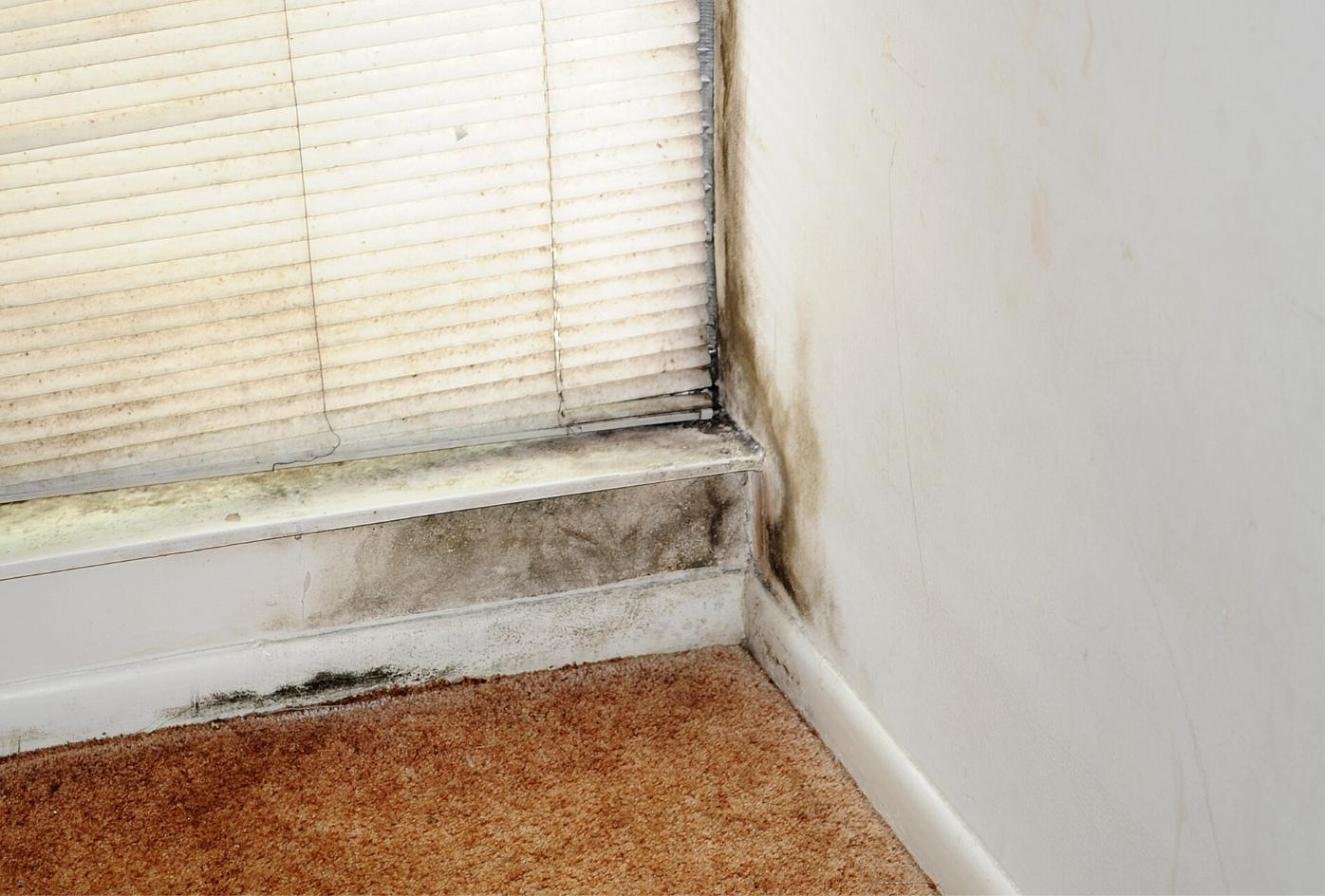
The basement mold remediation process runs in a fixed order: contain the area, remove the moldy materials, clean what stays, dry the structure and document the result. Most basement jobs are a few days of site work. How long the drying takes is what stretches or shortens the schedule.
Before the first day: quote and prep
It starts with photos. You send pictures of the affected area and we send back a firm written quote within 2 hours, between 7 am and 9 pm. Booking takes 50% of the quoted amount, by card or e-transfer.
A little preparation before the crew arrives saves time on site.
- Clear a path from the driveway to the basement stairs.
- Move stored items and furniture out of the work area if they are clean. Leave moldy items where they are so they can be dealt with inside the containment.
- Make sure the water source has been fixed or that a plan for it is in place. A leaking pipe should be repaired before the wall is dried.
- Plan for pets and children to stay away from the basement.
- Know where your electrical panel and main water shutoff are.
Day 1: readings, containment and the start of removal
The first job is measuring. We take moisture readings on the walls, floor and framing and thermal images of the area, along with the before photos. This sets the edges of the wet zone and confirms that the scope in the quote matches what is there.
Then the containment goes up. The work area is closed in with plastic sheeting, the furnace vents inside it are sealed, and a negative air machine with HEPA filtration is set to exhaust outdoors. From then on, air only moves into the work area.
Removal starts once the enclosure is holding. Baseboard, moldy drywall, wet insulation, carpet and pad are cut out in manageable pieces, bagged inside the containment and carried out.
Day 2: finish removal and clean the structure
With the finishes gone, the framing and concrete are exposed. This is often where the real cause becomes visible, such as a crack, a leaking tie hole or a stain line that shows how high the water reached. Anything that changes the picture is photographed for the report.
Cleaning follows IICRC S520 practice. The studs, plates and concrete are HEPA vacuumed. Growth on the wood is physically removed by brushing or sanding. Surfaces are damp-wiped and vacuumed again. The aim is to take the mold off the material. Spraying a product over it and leaving it there does not meet that standard.
Any framing that is soft or rotted is marked so your contractor can replace it during the rebuild.
Day 3 and after: drying with daily readings
Wood and concrete that have been wet hold moisture long after the surface looks dry. Dehumidifiers and air movers are set up inside the work area and left running.
We take moisture readings every day and log them. The target is framing under 16% wood moisture content. Some jobs get there in a day or two. Framing that sat wet behind a wall for months takes longer. The equipment stays until the numbers say it is done, since closing a wall over damp wood invites the same problem back.
You can live in the house during this stage. The machines are noisy and use a fair amount of hydro, and they need to run around the clock.
Final day: clearance report and teardown
When the readings hit target, the work area gets a final HEPA vacuum and wipe-down. If a fungistatic coating is part of the job, it goes on the clean, dry framing at this point. The inside of the containment is cleaned, the plastic comes down and the equipment leaves.
You receive a clearance report with before and after photos and the logged moisture readings, plus an itemized invoice. The remaining 50% is due on completion. If you are making an insurance claim, those documents are what you submit. Customers pay us directly.
For real estate deals, the report goes out within 48 hours of the work starting, so buyers, sellers and lawyers have it in hand before closing. If a buyer or lender wants independent air or surface testing as well, a third-party assessor can be brought in after we finish.
After the basement mold remediation process: the rebuild
We stop at clean, dry and documented. We do not install drywall, insulation, flooring or paint. That work goes to a contractor, and we can refer you to local ones.
A few points are worth settling before the rebuild begins.
- Confirm that the water source is permanently fixed.
- Ask about moisture-tolerant materials for the bottom of the wall and the floor.
- Give your contractor a copy of the clearance report and the final readings.
- Put a humidity gauge in the basement and keep the summer reading at or under 50%.
To get started, take wide and close-up photos of the affected area, the floor below it and the suspected water source, and send them with a note on when you first noticed the problem and any closing date you are working toward.
Common questions
Do I have to move out during basement mold remediation?
Usually not. The work area is sealed and under negative air, so the rest of the house stays usable. Anyone with asthma or a weakened immune system should ask their doctor.
How soon after remediation can the basement be rebuilt?
As soon as the framing reads dry and the clearance report is issued. Rebuilding before then risks sealing moisture into the new wall.
What if more mold is found once the walls are open?
It happens, since the back of a wall cannot be seen in photos. Ask before work starts how a change in scope is handled, and expect any added area to be shown to you in photos.
Send photos, get a firm quote in 2 hours
Three photos from your phone is enough for most jobs. No obligation.