Mold After a Basement Renovation: What Went Wrong
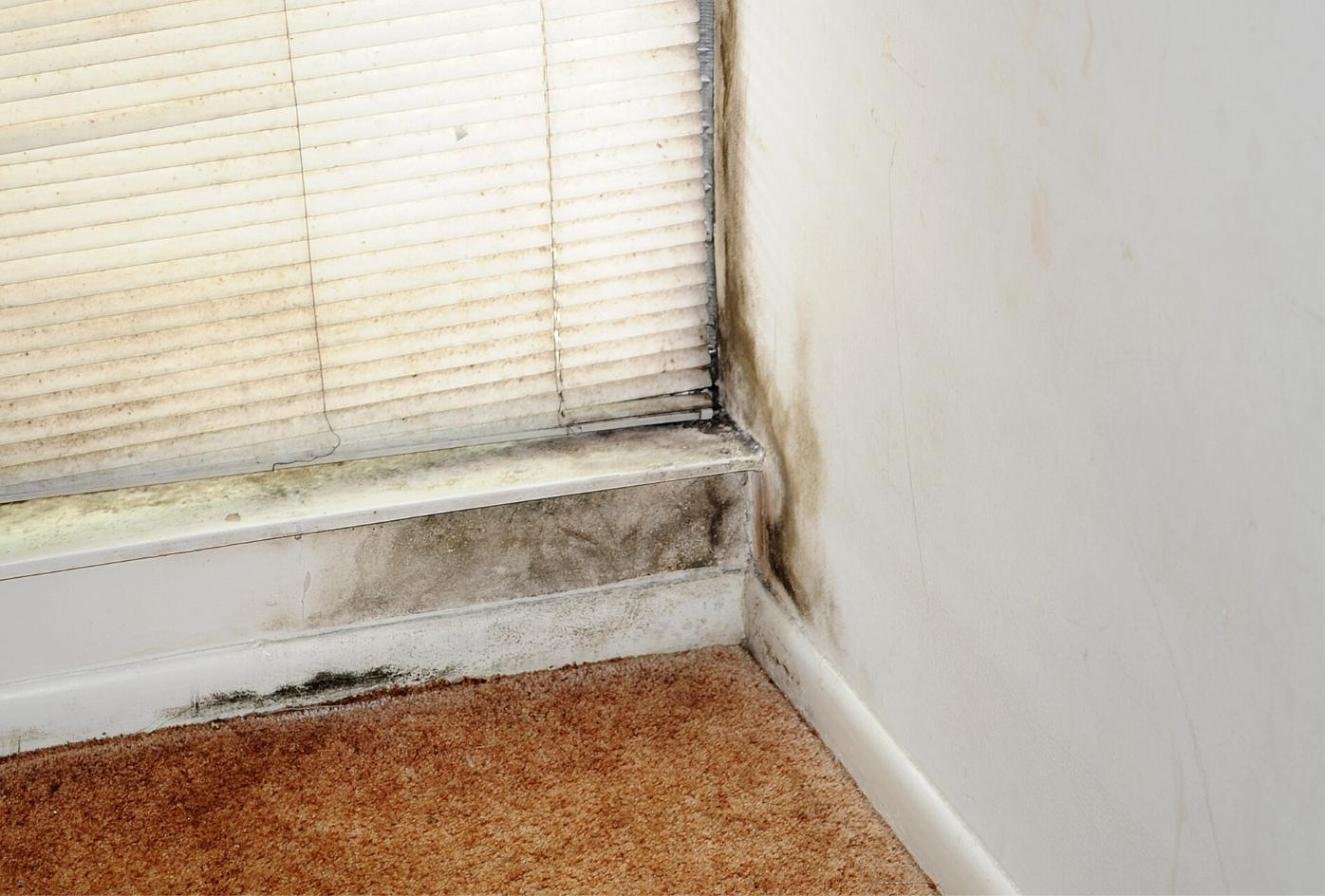
A musty smell in a basement that was finished a year or two ago usually means moisture got trapped somewhere during the renovation. Concrete is never completely dry, and the way the walls and floor were built either lets that moisture escape or holds it against wood and drywall. Most of the time the cause is one of a handful of common mistakes, and the fix is targeted rather than a full tear-out.
The usual causes
- Finishing over a known leak. A crack, a window well or a seep that was never fixed before the walls were closed in.
- Moisture trapped against the foundation, often by fibreglass batts and a plastic vapour barrier placed directly against concrete with no way for that wall to dry.
- Wood framing sitting directly on the slab with no barrier under the bottom plate.
- Drywall run tight to the floor, so any water on the slab wicks straight up.
- Carpet and underpad laid on bare concrete, which feels damp and smells musty in summer.
- No dehumidifier and no air movement in a basement that used to be open and unheated.
- Plumbing or a shower drain that leaks into the floor or a wall cavity.
Signs it is happening
- A musty smell that is strongest in summer or after heavy rain.
- Staining, bubbling paint or soft drywall at the bottom of outside walls.
- Baseboards that are swelling or pulling away.
- Carpet that feels cool and damp, or a smell under rugs.
- Condensation on the inside of a plastic vapour barrier, visible at an outlet or a cut opening.
How to find the cause
The goal is to find where the moisture is before opening anything. A moisture meter along the bottom of every outside wall, a thermal scan, and a look at outlets, the furnace room wall and any exposed foundation usually narrow it down to one or two areas. Remove an outlet cover on an outside wall and look inside with a flashlight. Water droplets on plastic or dark staining on the bottom plate tell you a lot.
Also check the outside: downspouts that drop next to the foundation, grading that slopes toward the house, and window wells without drainage are the most common sources of a wet basement wall. Our moisture inspection includes readings, thermal images and a written report with photos, and runs $249 to $549.
What the fix usually involves
- Fix the water source first: outside drainage, a crack repair or a plumbing leak.
- Open only the affected area, usually the lower part of the wall where the readings are high.
- Remove wet insulation and drywall, clean and dry the framing and concrete, and confirm with meter readings.
- Rebuild the wall section so moisture from the concrete has somewhere to go and the drywall sits a little above the floor.
- Run a dehumidifier in summer and keep the basement air moving.
Our basement jobs run $1,500 to $9,500, and a contained section of one wall usually sits toward the low end. Mold behind finished walls across most of the basement costs more, which is why catching it early matters.
If you are about to finish a basement
Watch the basement through at least one spring thaw and one heavy rain before you finish it. Fix every leak and drainage problem first. Ask your contractor how the walls will handle moisture from the concrete and what will separate the framing from the slab. A day of prevention costs much less than opening a finished room later.
If your newly finished basement smells musty or the bottom of the walls looks wrong, send us photos of the walls, the baseboards and the outside of the house near that wall. We will tell you where we would check first.
Common questions
Do I have to rip out the whole finished basement?
Usually not. Moisture readings and a thermal scan show which areas are wet, and only those sections need to be opened, cleaned and rebuilt.
Is a musty smell in a new basement normal?
No. A finished basement should not smell musty. It means there is moisture somewhere it shouldn't be, even if you can't see mold.
Should a basement be renovated before or after fixing drainage?
After. Fix grading, downspouts, window wells and any cracks first, and watch the basement through a wet season before closing the walls in.
Send photos, get a firm quote in 2 hours
Three photos from your phone is enough for most jobs. No obligation.